Wanderlust

Oct 7, 2026
What to Eat in Northern Spain: A Food Lover's Guide
Written by
Keegen Brookes
Tasting Your Way Across Northern Spain
A journey across northern Spain, a region of lush landscapes and proud traditions, is an exhilarating progression of flavors and rituals. The Basque Country, Cantabria, Asturias, and Galicia each hold fast to their own identity, and their kitchens follow suit.
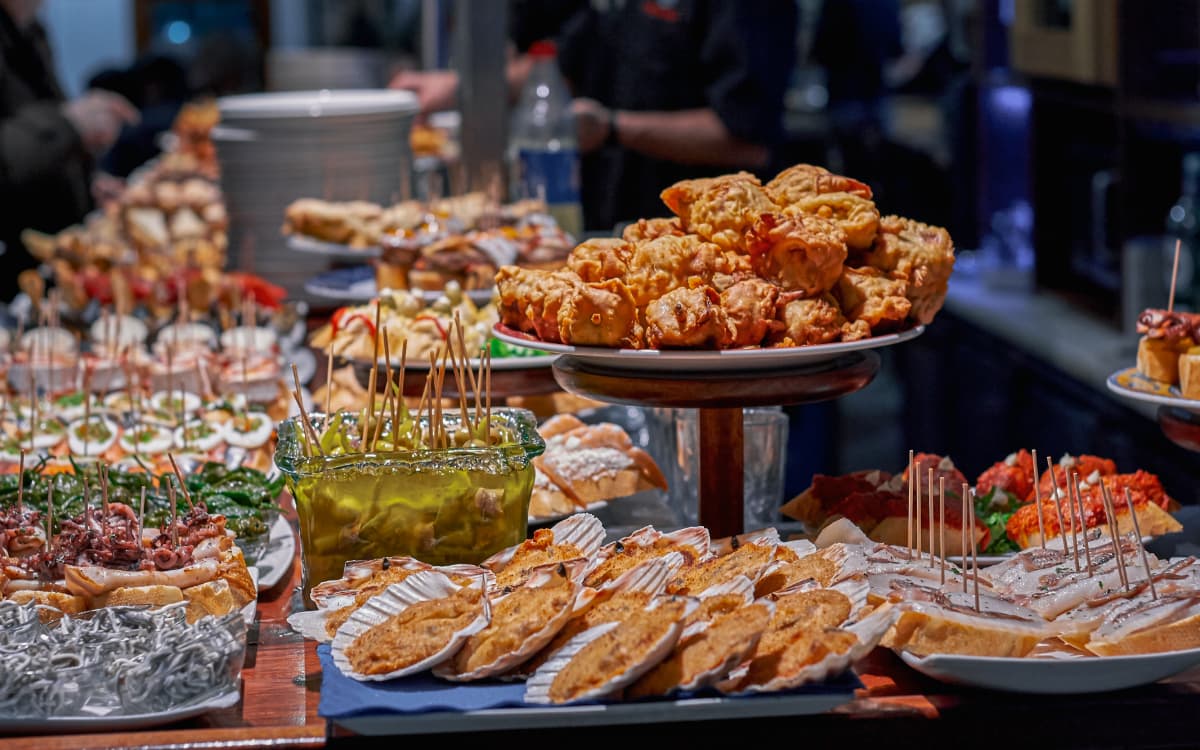
In San Sebastián, pintxos (handheld tapas) appear colorful and abundant on crowded bar countertops. In Cantabrian harbor towns, fresh fish from the coast sizzles over fragrant coals. In Asturias, the region’s renowned cider is poured through the air in a theatrical arc before meeting the glass, and in high mountain pastures, cheese matures slowly in natural caves. By the time the Atlantic comes into view again in Galicia, travelers in northern Spain have come to know the region as much by its landscapes and languages as by the flavors at the table.
The Basque Country: Pintxos and Private Kitchens
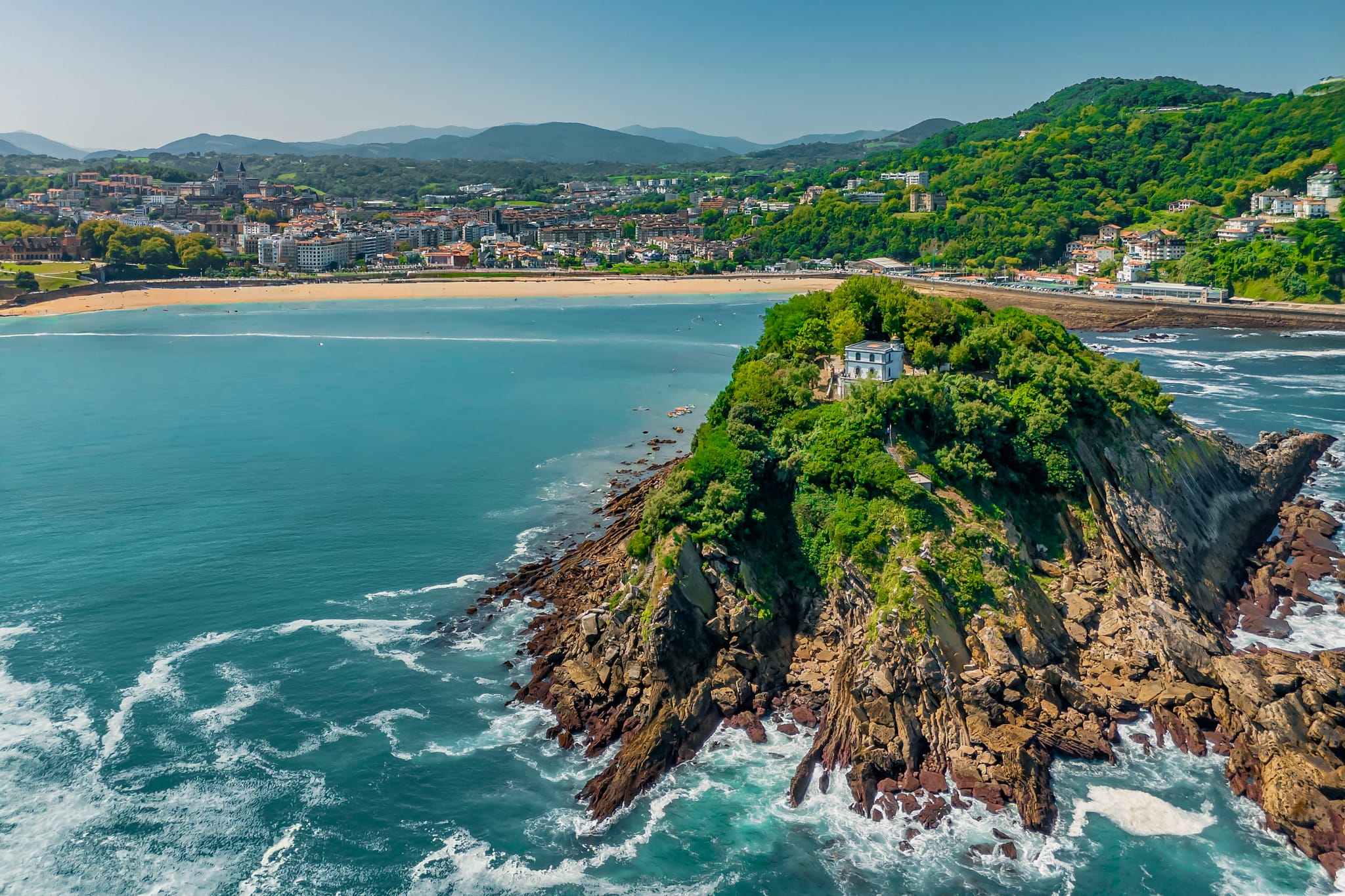
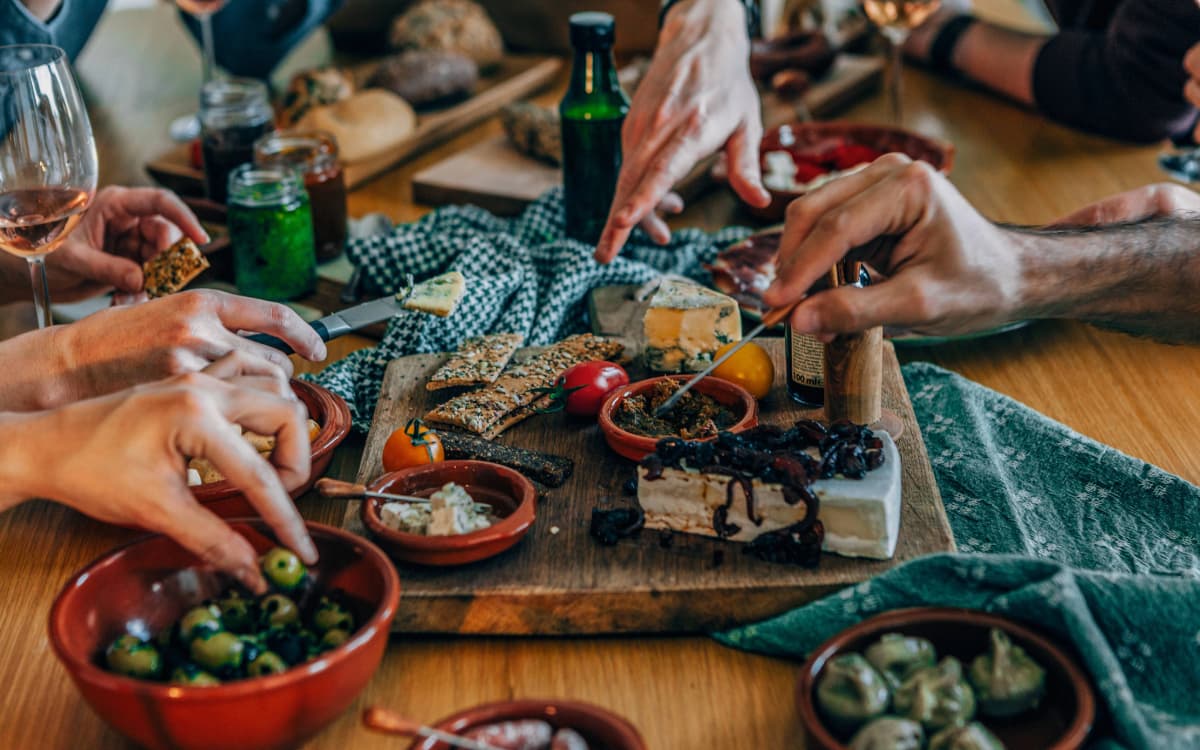
San Sebastián occupies a renowned place in the culinary imagination, yet some of its most rewarding experiences happen in quite informal settings. In the city’s Old Town, each bar is known for a special dish, or pintxos, that range from crab tartlets to jamón croissants, or scallops caramelized under the grill. Part of the pleasure of pintxos lies in moving from bar to bar in a ritual called txikiteo. Friends wander together, eating a pintxo here, having a drink there, then continuing on in joyful communion.
An under-the-radar aspect of Basque food culture, much less visible than pintxos, is the prevelance of private gastronomic societies, known as txokos. Here, members come together to cook, eat, talk, sing, and sometimes play cards. Entry traditionally comes with an invitation from a member, and for a traveler, being welcomed inside offers a glimpse of how food functions in Basque life, as both pleasure and ties that bind the community.
Getaria: Fish, Fire, and Txakoli
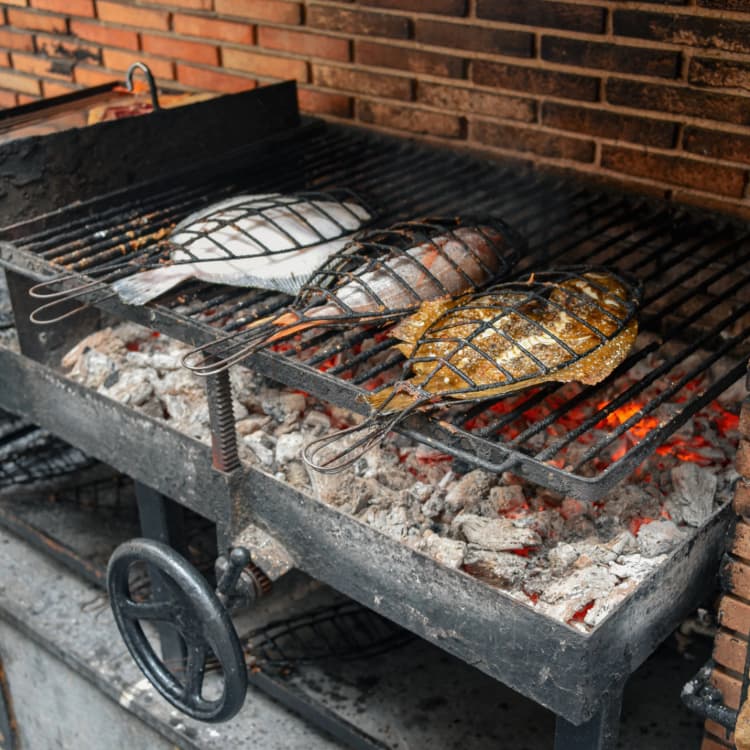
West of San Sebastián, the coastal road winds toward Getaria, a small fishing town on the Cantabrian Sea where boats bob in the harbor and vineyards line the surrounding hills. In this idyllic setting, discover a meal that follows customs rooted in the town's life on the water as you enjoy the day’s fresh catch grilled over hot coals and served with Getaria's own crisp white wine, txakoli. Fish from the harbor, wine from the hills: here, a pairing is a matter of geography.
Asturias: Anchovies and Cider
Further west in Asturias, mountains rise sharply beyond green valleys, tiny fishing villages reflect maritime traditions, and apple orchards and pastures shape what appears on the plate.
At Anchoas Hazas, in the fishing village of Lastres, proprietors Ana Labad and Agustín Fernández draw on traditions rooted in the village's long dependence on the Cantabrian Sea. With their artisanal anchovy business, they’re helping reinvigorate the town’s fish preservation history.
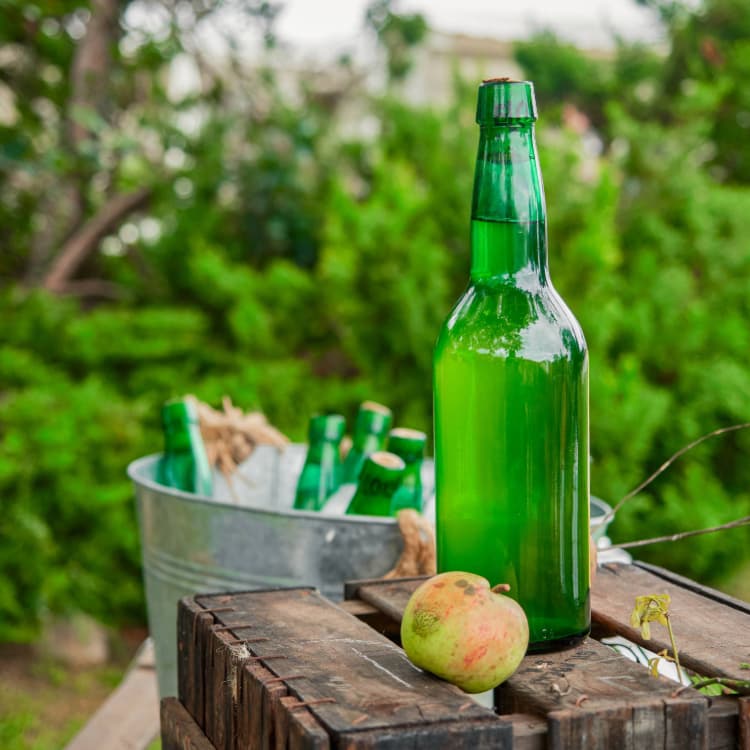
Elsewhere in Asturias, cider, or sidra, reflects the region’s history with slightly more panache. Inside a traditional sidrería, watch as your server pours cider in an age-old technique, holding a cider bottle high overhead while the glass waits several feet below. A thin stream of cider falls through the air before striking the rim. The technique, called escanciar, aerates the cider and awakens its flavors. This pouring technique, as well as the orchards, production, and the communal spaces where cider is shared, was recently recognized by UNESCO as an Intangible Cultural Heritage, an international acknowledgement of Asturian cider culture's excellence.
The Picos de Europa: Mountain Fare
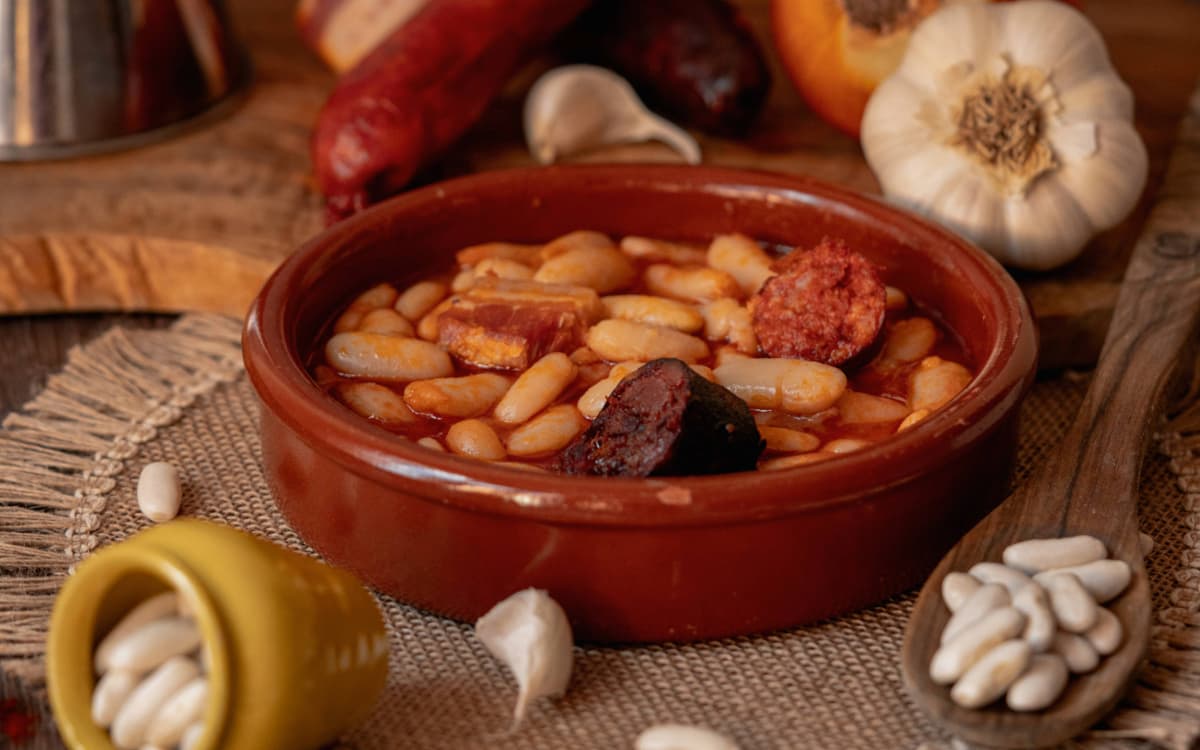
The cuisine of Asturias changes as the road climbs toward the Picos de Europa, Spain’s first national park and a UNESCO Biosphere Reserve. Here, amid limestone summits, river gorges, glacial lakes, and high mountain pastures, food reflects the realities of mountain life. Fabada Asturiana, a simple white bean stew cooked slowly with pork and garlic, is among the region's defining dishes. It is a generous, sustaining staple, suited to the area’s cool mountain climate.
Asturias is also home to a thriving cheesemaking culture, and Gamonéu is among its most distinctive expressions. Gamonéu comes in two varieties: Gamonéu del Puerto, produced in mountain huts, and Gamonéu del Valle, made in small, family-run dairies in the valley. Both varieties are made from a mixture of cow, sheep, and goat milk, and then smoked with local wood before being transferred to a cave to mature for at least two months. The result is one of the world’s most singular and sought-after cheeses.
Galicia: The Market at the End of the Road
Further west in Galicia, the cultural atmosphere shifts again. In Santiago de Compostela, travelers walking the Camino arrive beneath the granite towers of the cathedral, while a few streets away another kind of pilgrimage unfolds around food.
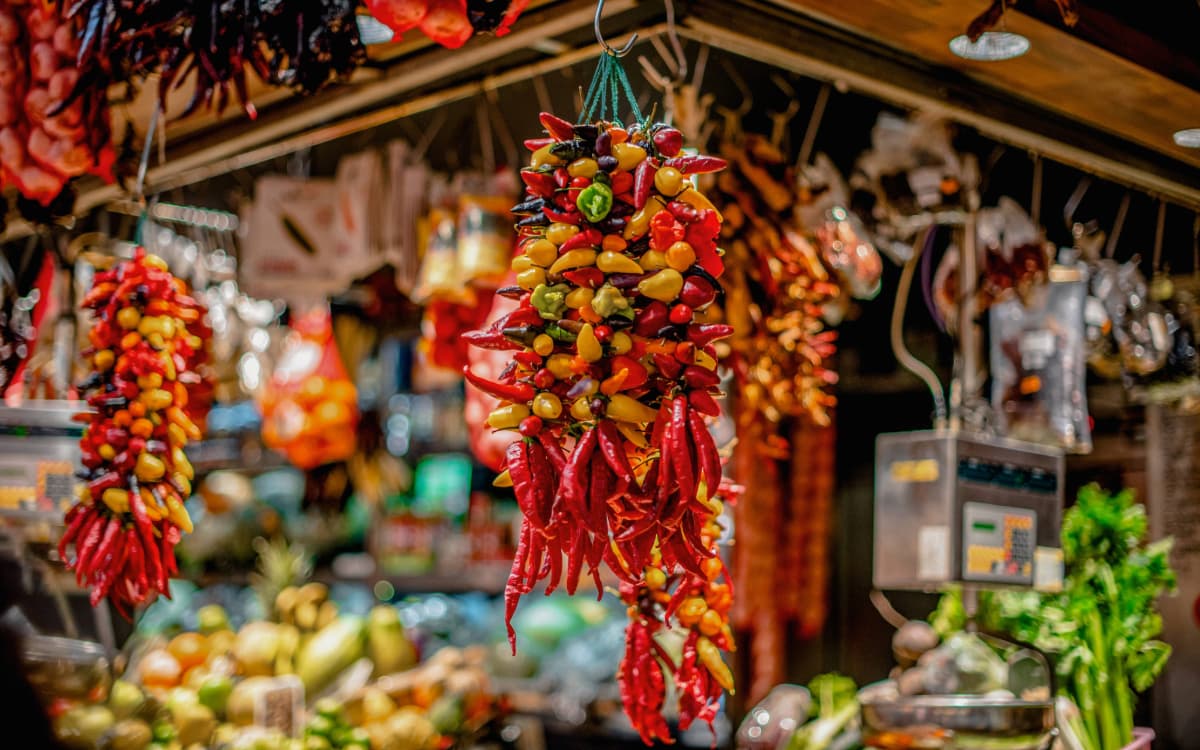
In the lively Mercado de Abastos, a market renowned for its fresh seafood, regional fare is on full and colorful display. Cured chorizo, oysters, Padrón peppers, and Galician empanadas offer an authentic portrait of Galician cuisine, and the market's communal atmosphere reveals the relationships that shape it. For travelers arriving in Santiago after moving across Spain's northern regions, the market feels like a fitting final chapter.
A Different Way to Taste Spain
From the Basque Country’s pintxos bars and gastronomic societies to Asturian cider poured with a flourish and the renowned seafood of Galicia, the richness of northern Spain’s cuisine is undeniable.
Taste this movable feast for yourself on GeoEx's Flavors of Northern Spain journey, which travels from San Sebastián through Cantabria and Asturias to Santiago de Compostela. Over the course of 10 days, get to know a unique side of Spain, one delectable bite at a time.
************************************
Connect with a GeoEx travel expert to begin planning your journey.