Wanderlust
Nov 17, 2026
Beyond the Familiar: Six Lesser-Known UNESCO Sites in Bulgaria and Romania
Written by
Keegen Brookes
UNESCO protects some of the world's most celebrated cultural sites, from the Taj Mahal and Angkor Wat to the Pyramids of Giza. Yet beyond these familiar landmarks are places of equal historical significance that remain relatively unknown to travelers. GeoEx finds these under-the-radar UNESCO sites especially meaningful to share with guests, as they offer a compelling way to understand the beliefs and traditions that shape each destination.
Across Bulgaria and Romania, centuries of faith, artistic expression, and cultural exchange have left an extraordinary legacy. Monasteries rise from forested mountains. Medieval churches are carved into limestone cliffs. Painted sanctuaries preserve ancient stories, and fortified villages remind modern visitors that warfare was a defining feature of the Middle Ages in Europe.
On our small group trip, Cultural Crossroads of Bulgaria and Romania, we explore six UNESCO World Heritage Sites that tell a story of cultural endurance, human ingenuity, and the unique ways communities preserve what matters most to them. Discover them below.
A Tapestry of Traditions in Bulgaria
Bulgaria occupies a fascinating place in European history. Thracian kingdoms, Roman emperors, Byzantine artists, and Ottoman rulers have all left their mark on its landscapes and traditions. From ancient burial chambers to secluded monasteries, Bulgaria’s UNESCO sites offer a window into the successive civilizations that shaped its history.
Rila Monastery
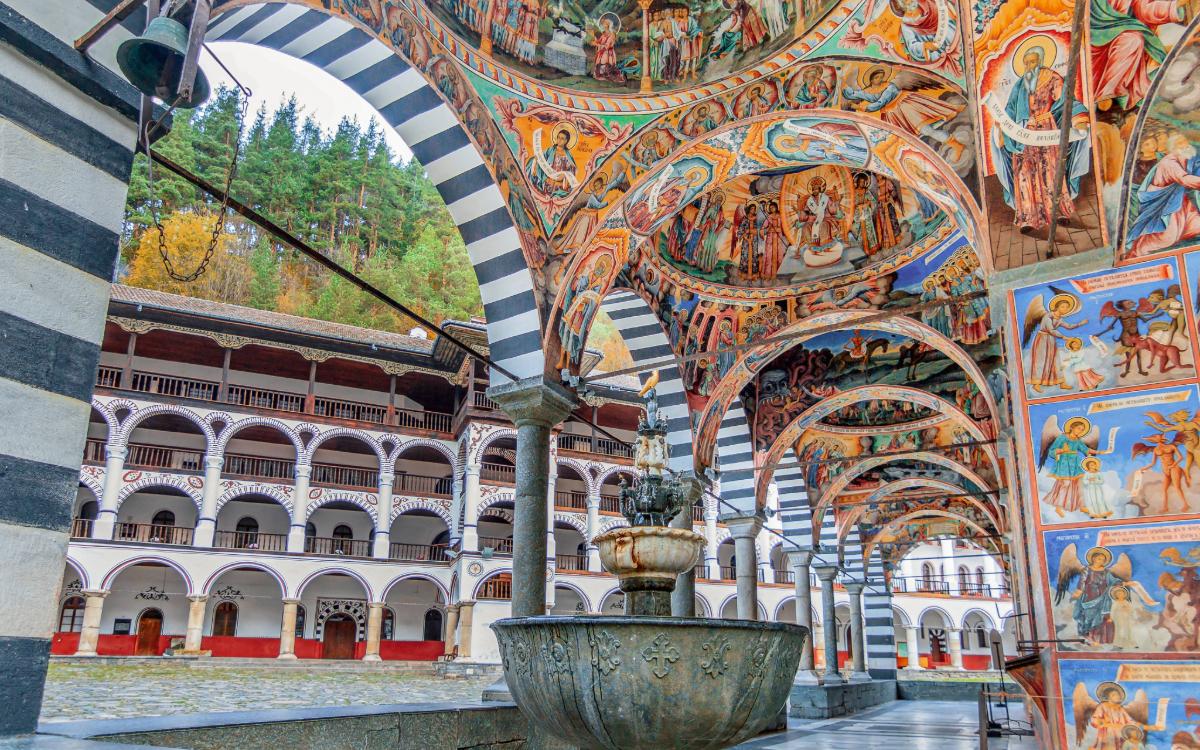
Deep in the Rila Mountains, discover a monastery that has served as a spiritual and cultural anchor for more than a thousand years. Founded in the 10th century by followers of the hermit Saint John of Rila, Rila Monastery grew from a place of solitary devotion into one of the country's most important religious institutions.
Passing through the entrance, the scale and richness of the architecture come into view. Arcaded balconies rise above a broad stone courtyard and beneath the arches, vividly painted frescoes depict saints, biblical scenes, and moral teachings. At the center stands the monastery church, its striped masonry and painted domes displaying the distinctive artistry of Bulgaria's National Revival.
Much of what visitors see dates from the 19th century, when the monastery was rebuilt following a devastating fire. Yet from 1400 to1878, while under Ottoman rule, Rila helped sustain Bulgarian religious traditions, literary culture, and a sense of national identity.
Rock-Hewn Churches of Ivanovo
In northeastern Bulgaria, the winding Roussenski Lom River has carved a landscape of limestone cliffs and wooded valleys. High above the river, hidden in the cliffs, discover an extraordinary medieval world.
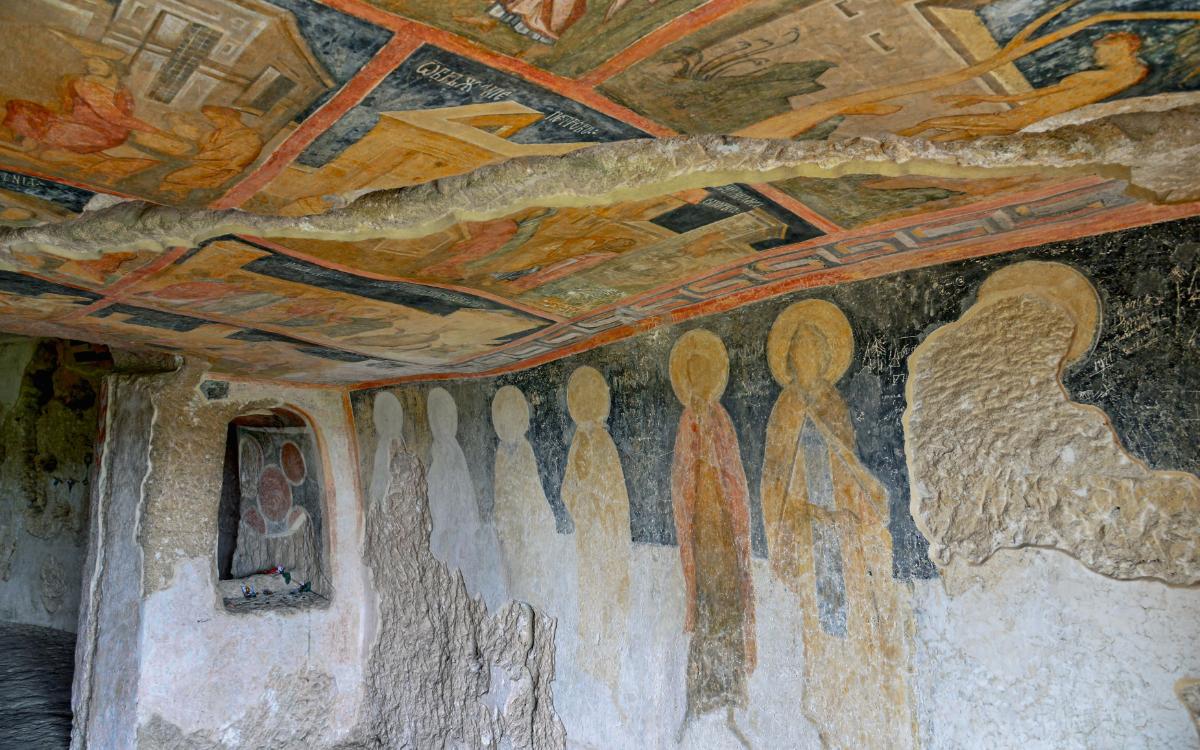
The Rock-Hewn Churches of Ivanovo began taking shape in the 12th century, when hermits sought solitude in the cliffs. Over time, they carved a network of small churches, chapels, monastic cells, and places of worship directly into the stone.
Inside several of the surviving churches, visitors can witness 14th-century frescoes that belonged to the celebrated Tarnovo School of painting, one of the great artistic traditions of medieval Bulgaria. Biblical figures appear with expressive faces and gestures, which display the flourishing artistry of the Second Bulgarian Empire.
Centuries of political change and exposure to the elements have altered the complex, yet these paintings continue to communicate the imagination and devotion of their creators.
Thracian Tomb of Kazanlak
Long before Bulgaria emerged as a nation, the Thracians inhabited much of the southeastern Balkans. Their kingdoms developed rich artistic and ceremonial traditions, leaving behind burial mounds, precious metalwork, and remarkable evidence of a sophisticated ancient culture. Near the town of Kazanlak, one of their most extraordinary surviving monuments offers a rare glimpse into this world.
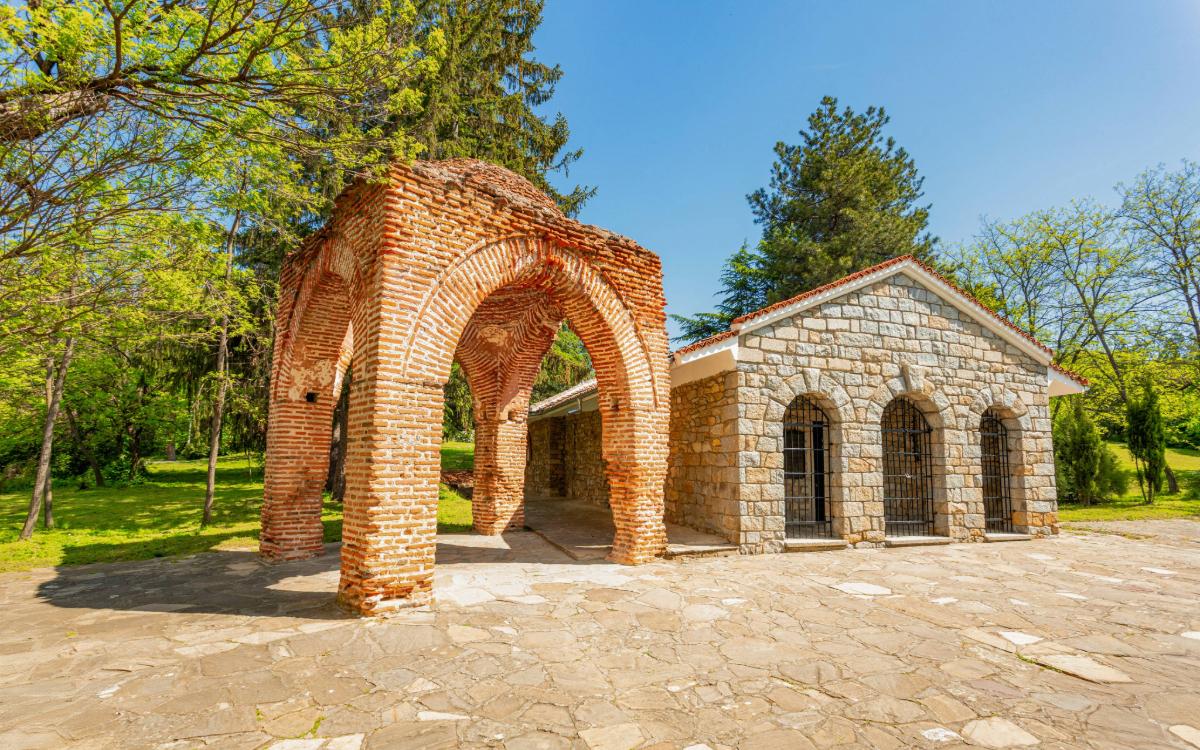
Discovered in 1944, the Thracian Tomb of Kazanlak dates to the late fourth century BCE, when the region was closely connected to the Hellenistic world. Its modest dimensions conceal an exceptional artistic achievement.
A narrow passage leads toward a circular burial chamber, where painted figures depict scenes associated with Thracian funerary customs. Among the most compelling images are a seated couple surrounded by attendants and a procession of horses and chariots. These paintings reveal a culture in which death was accompanied by elaborate ceremony and deeply held beliefs about status, memory, and the afterlife.
Though the tomb's original chamber is closed to the public for preservation, a carefully executed replica allows visitors to appreciate the artistry and symbolism of the site.
Romania. A Landscape of Living Heritage
Crossing into Romania, the story of southeastern Europe transforms. In Transylvania, fortified towns and village churches reflect centuries of settlement, commerce, and cultural exchange. Farther northeast, the painted monasteries of Moldavia display a religious artistic tradition shaped by Byzantine influences. Together, these places illuminate a region where cultural identities developed in an atmosphere of great diversity.
Villages with Fortified Churches in Transylvania
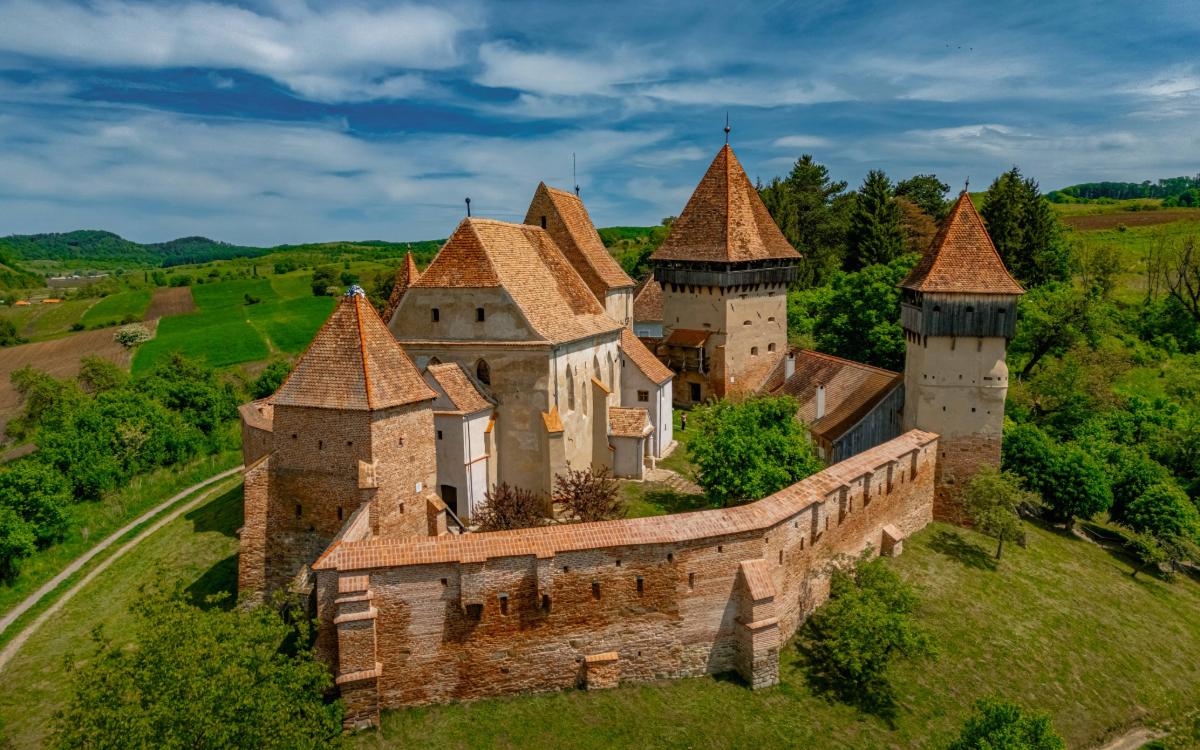
In southern Transylvania, church towers rise above traditional houses and cultivated fields. As visitors draw closer to town, a distinctive feature becomes apparent. Here, churches are enclosed by defensive walls, towers, and fortified gateways, telling the story of communities that organized their lives around both spiritual devotion and protection.
The UNESCO designation, Villages with Fortified Churches in Transylvania, encompasses seven historic settlements associated with the Transylvanian Saxons—German-speaking settlers who established communities in the region during the Middle Ages. Between the 13th and 16th centuries, the Transylvanian Saxons fortified their towns to create areas of refuge for periods of conflict and invasion. Walls grew higher, defensive towers were added, and the spaces within the walls were adapted to shelter villagers and their goods.
Today, the Saxon heritage of Transylvania faces a different challenge. Much of the historic German-speaking population migrated to West Germany between the collapse of the Ceaușescu regime in December 1989 and the spring of 1990. Roughly 90 percent of the German-speaking population left, and today, the preservation of the structures and traditions they left behind is in the hands of the Romanian communities that remain.
Historic Centre of Sighișoara
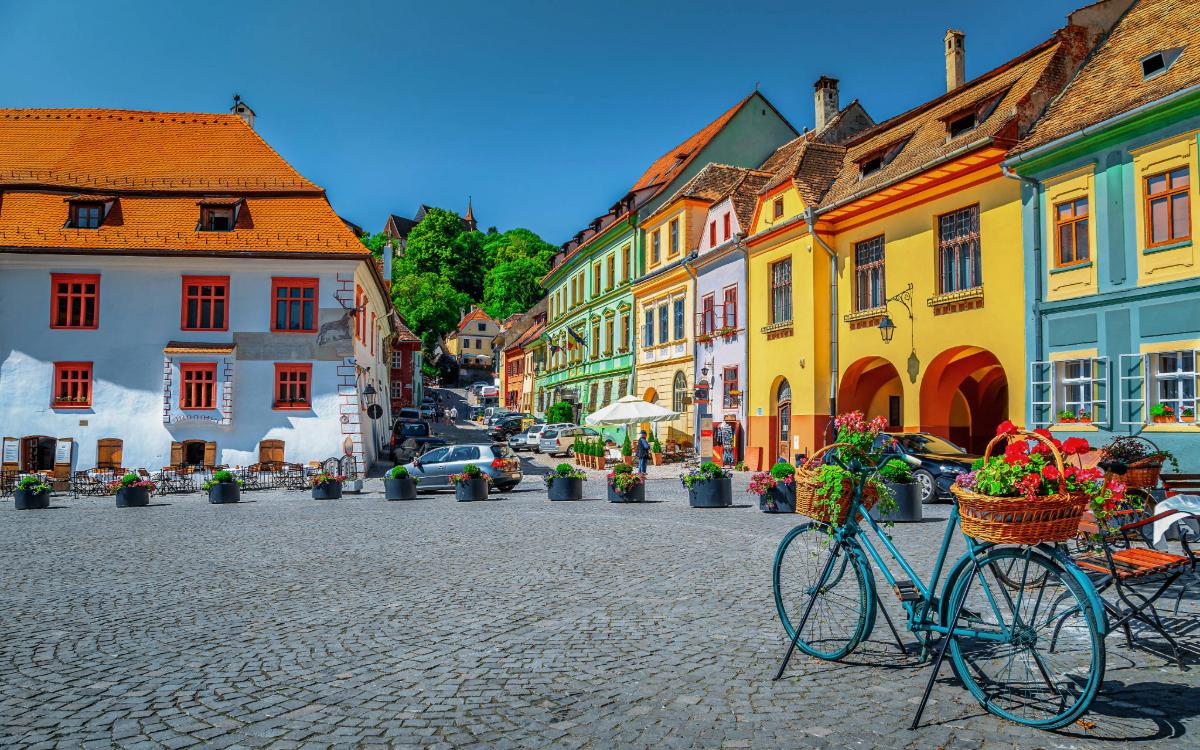
Set above the Târnava Mare River in central Romania, the Historic Centre of Sighișoara is among the most complete examples of a fortified medieval town in Europe. Experience a feeling of timelessness as you enter the village, where narrow cobbled lanes wind between pastel-colored houses and centuries-old towers.
Founded and developed by Transylvanian Saxon merchants and craftspeople, Sighișoara became an important commercial center along the cultural frontier between Central and Southeastern Europe. Its defensive walls and towers reflect the wealth and organization of the town's medieval guilds. Each played a role in protecting the settlement, while the streets within supported a thriving community of artisans, traders, and families.
The Clock Tower, with its distinctive roof and commanding position, remains the town's most recognizable landmark. Sighișoara is also associated with Vlad the Impaler, the 15th-century Wallachian ruler whose life later became entangled with the legend of Dracula. The connection attracts considerable attention, although the town's deeper interest lies in the broader history preserved within its walls.
What makes Sighișoara especially compelling is its continued use. Its historic buildings remain part of a lived environment, with residents going about their daily lives and routines along its medieval streets and buildings.
Churches of Moldavita
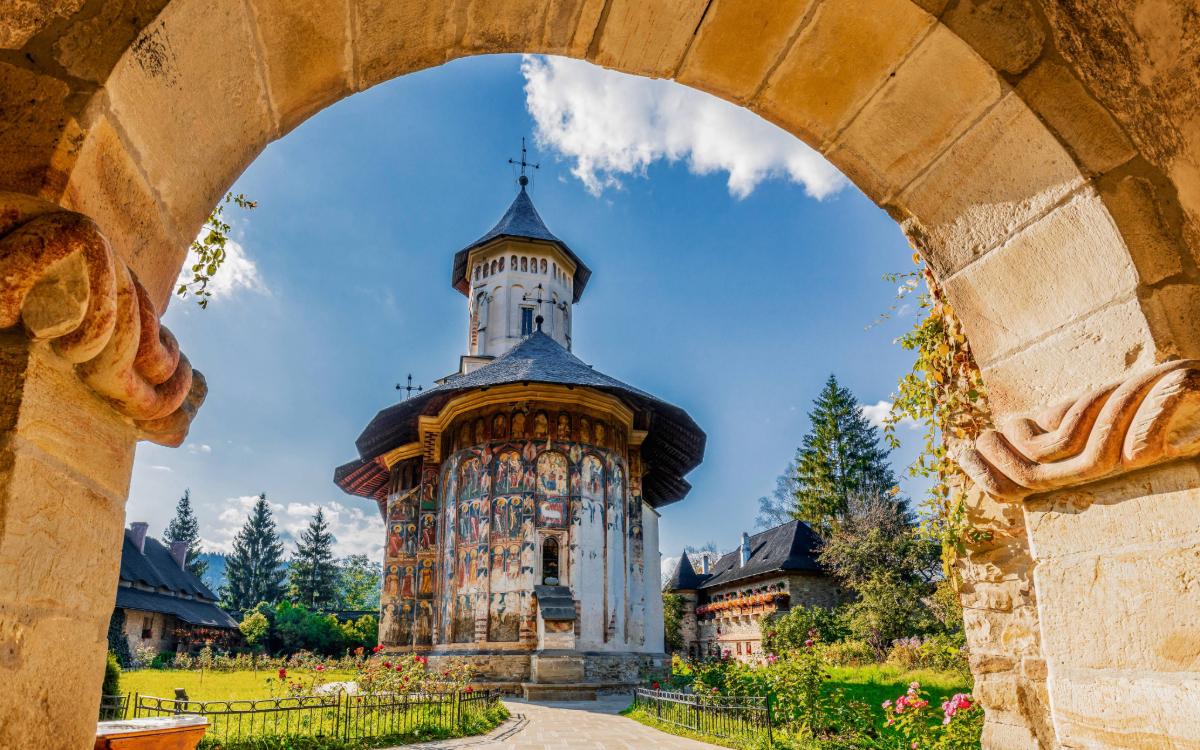
In the wooded hills of northeastern Romania, discover the Churches of Moldavita, among Europe's most distinctive expressions of religious art. Built between the late 15th and late 16th centuries, these eight churches are celebrated for the elaborate frescoes that enliven their outer facades.
Inspired by Byzantine art, the painted monasteries feature saints, angels, and symbolic figures in vivid shades of blue, green, red, and ochre. Beyond their aesthetic merit, the exterior paintings communicate iconic biblical scenes and Christian teachings to the wider community, extending the spiritual life and message beyond the church’s interior walls.
Centuries after their creation, the frescoes remain incredibly expressive. Their artists worked with an understanding that images carry stories across generations, communicating ideas about faith, human struggle, and the possibility of redemption.
Heritage That Endures
Taken together, these six UNESCO World Heritage Sites reveal the extraordinary cultural depth of Bulgaria and Romania. Their histories span ancient Thracian kingdoms, medieval monastic communities, Saxon settlements, and the artistic flowering of Orthodox Christianity. Each speaks to the history and circumstances of its time, whether the need for protection, the preservation of cultural identity, or the desire to give visible form to spiritual belief.
To experience these incredible sites first-hand, join our Cultural Crossroads of Bulgaria and Romania small group journey.
Connect with a GeoEx travel expert to begin planning your Bulgaria and Romania adventure.