Wanderlust
Oct 16, 2025
Zambia: A Best-Kept Safari Secret
Written by
Jessica Silber
I’ve heard Zambia described as a "safari-lover’s safari", known for walking safaris, uncrowded wilderness, and an experience that feels closer to what Africa once was. It’s often framed as quieter than the Serengeti or Kruger, better value than more famous safari destinations, and refreshingly grounded compared to today’s ultra-luxury camps.
There’s truth in all of that. But after experiencing Zambia firsthand, what stood out most is this: Zambia doesn’t need comparison. It stands on its own. It isn’t an alternative safari destination, it’s a first-choice one, and quite possibly the best safari I’ve ever taken.
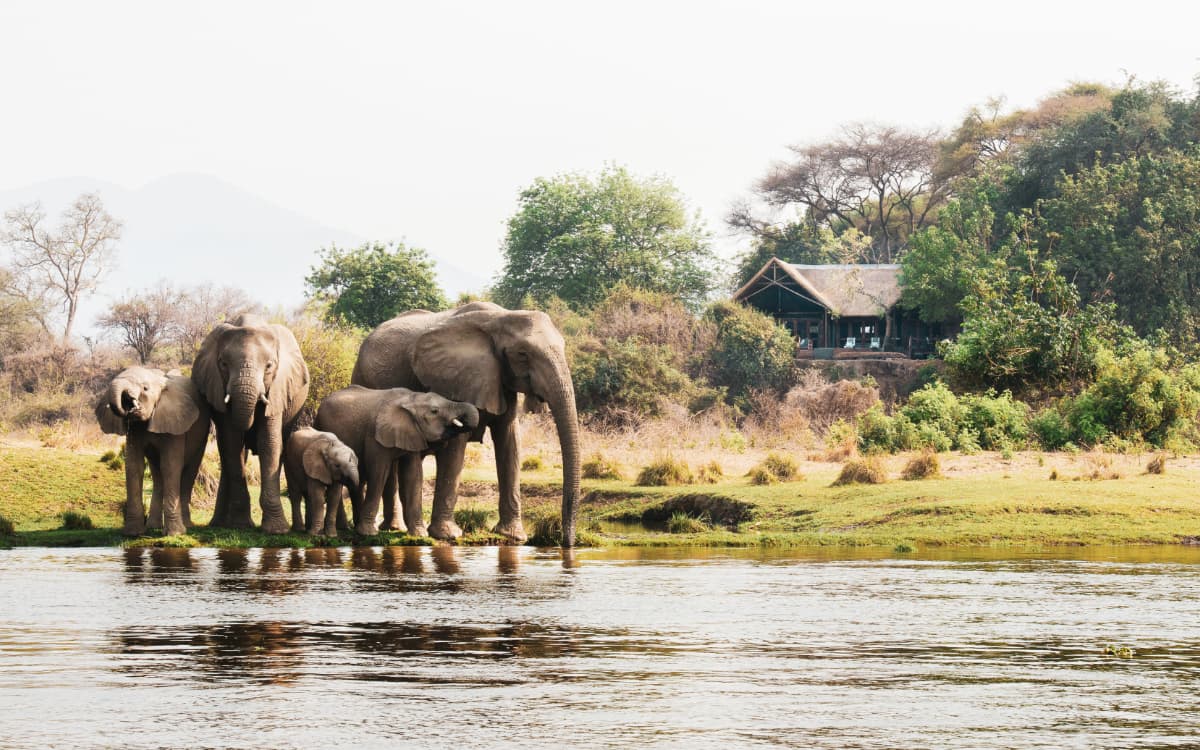
Some destinations become popular because everyone talks about them. Zambia feels like a place that reveals itself slowly — a secret that’s meant to be shared, not oversold.
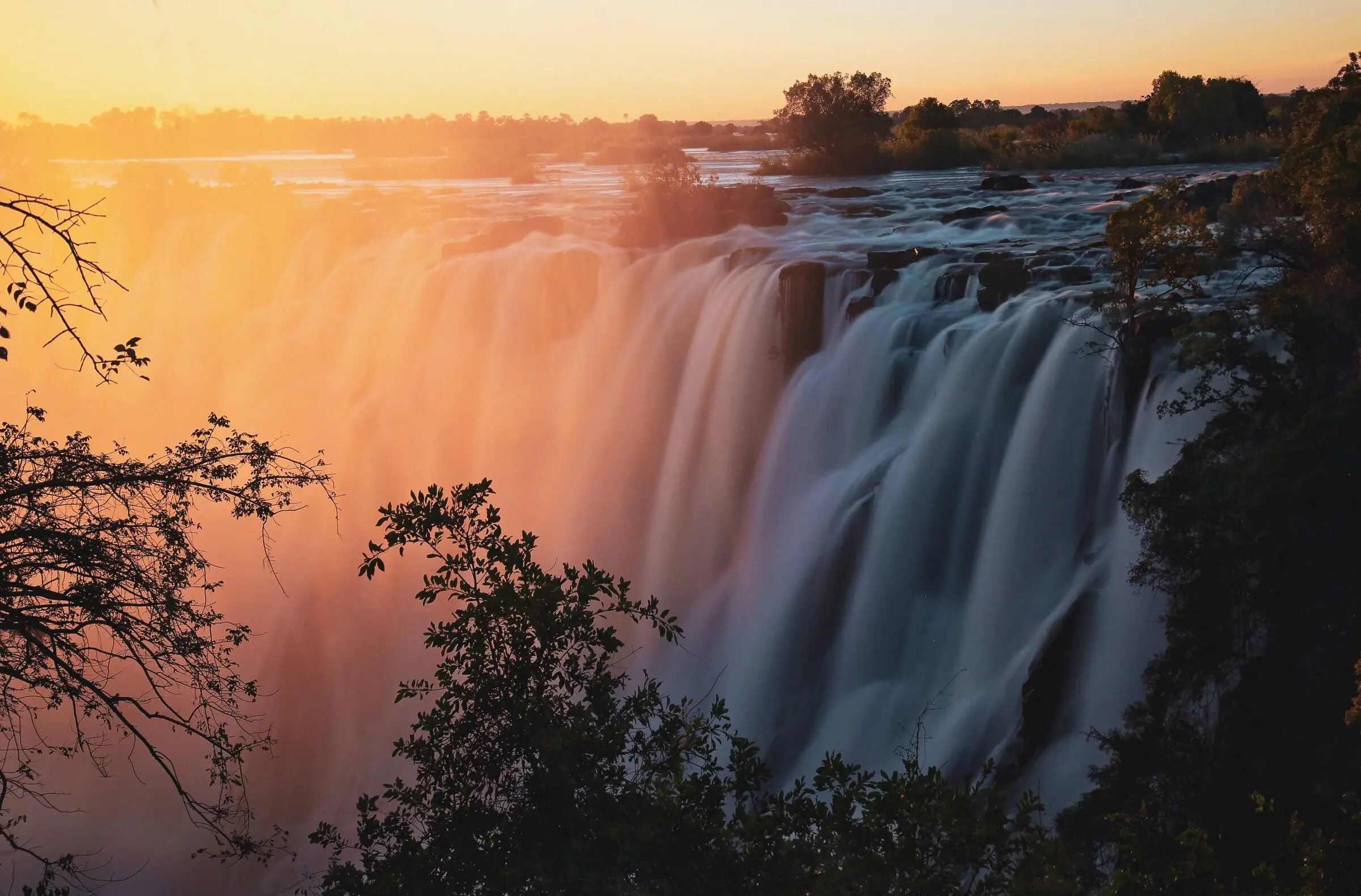
Victoria Falls needs no explanation. The sound, the spray, the rainbows suspended in the mist... it’s as powerful and humbling as you imagine. But beyond the falls lies the heart of Zambia’s safari experience. South Luangwa National Park, where the walking safari was pioneered, offers a sense of authenticity and intimacy that’s increasingly rare. The Luangwa Valley is often called “The Valley of the Leopard,” and during my time there, that reputation proved well earned. I saw more leopards here than on any other safari I’ve taken.
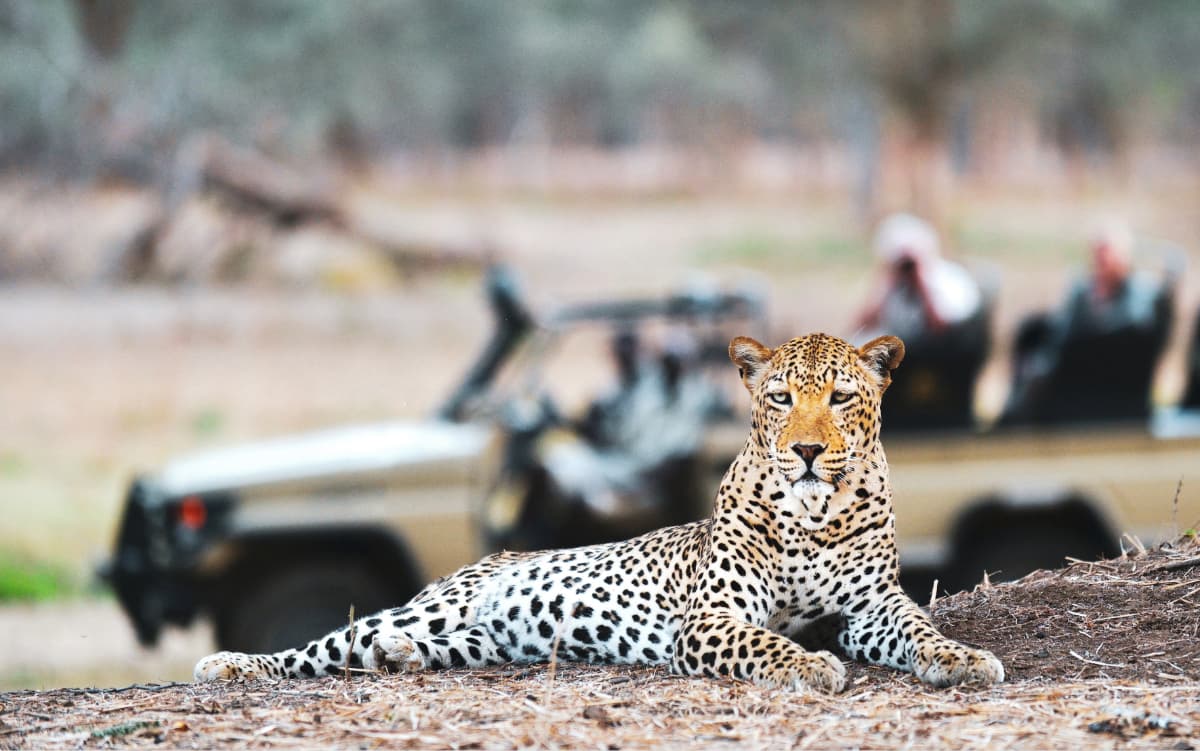
What makes a Zambia safari so compelling is the range of experiences woven together so naturally. Traditional game drives blend seamlessly with guided walking safaris, canoeing along the Zambezi River, quiet river cruises, fishing excursions, and long pauses where nothing is scheduled — and nothing is missing. All of this unfolds without the crowds that dominate many other safari regions.
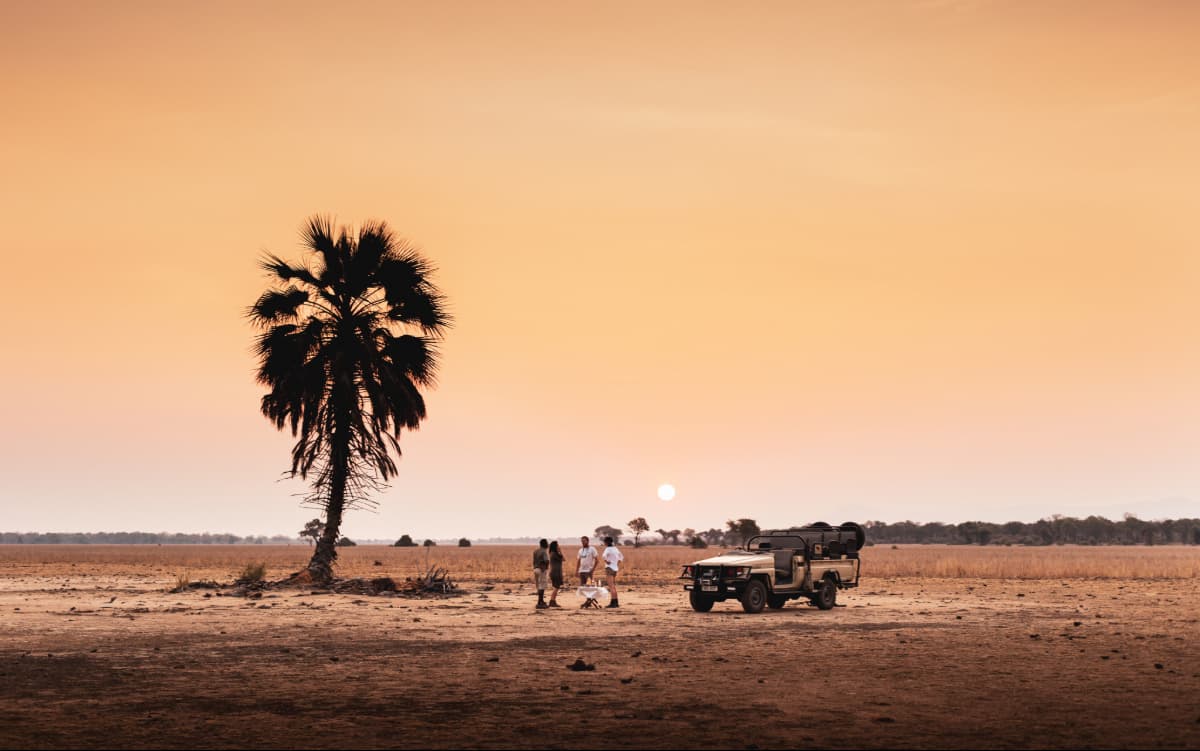
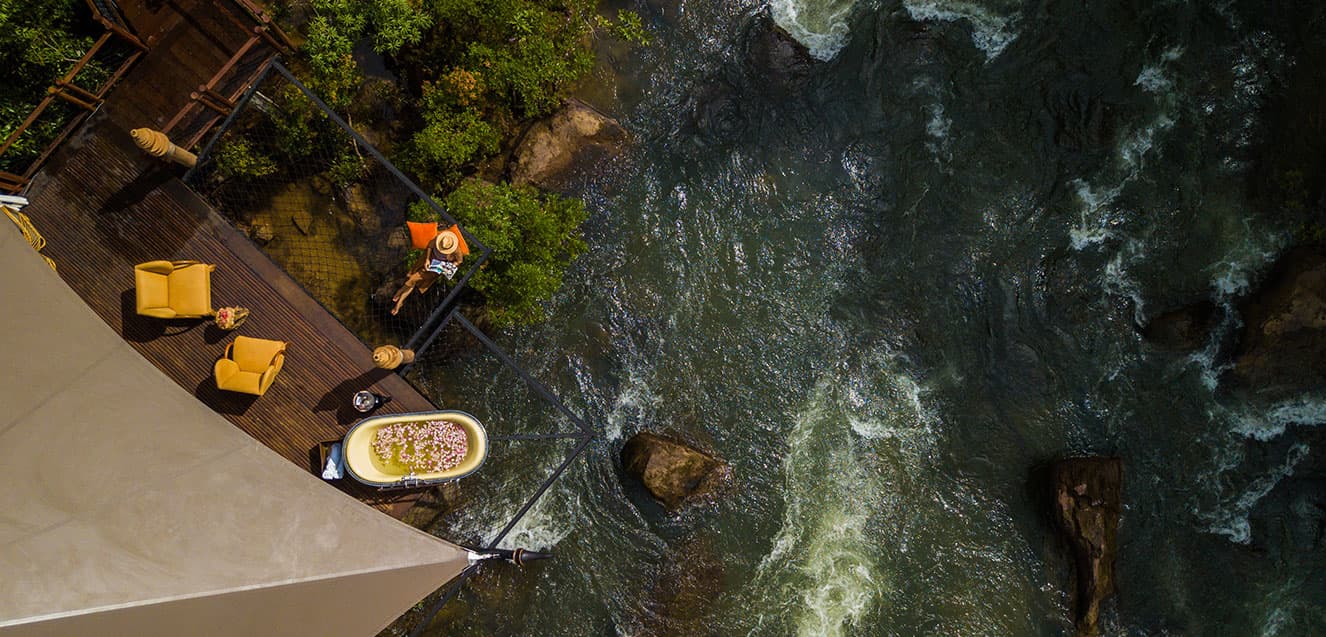
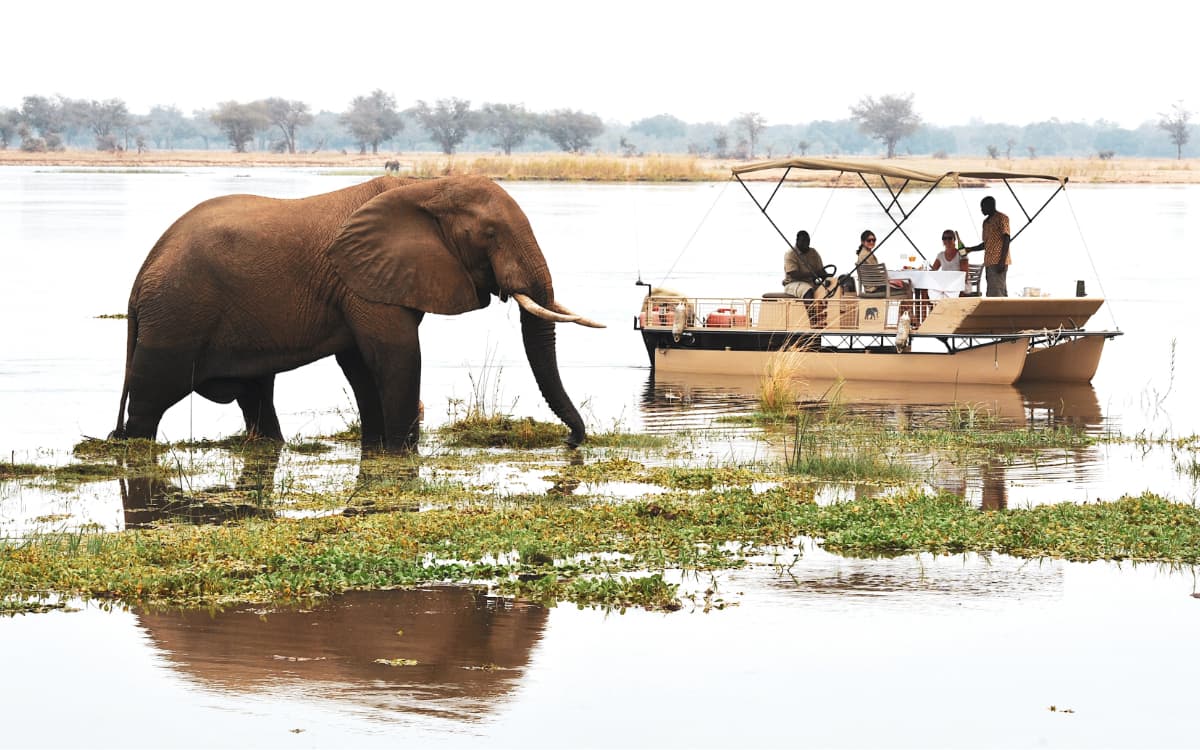
In Lower Zambezi National Park, I experienced a floating lunch that felt effortlessly surreal. We drifted along the river as elephants and hippos gathered at the water’s edge, completely unbothered by our presence. On a canoe safari another day, we floated past red-dirt cliffs where baboons watched silently from above. These are the moments that define Zambia: unforced, intimate, and deeply human.
Walking safaris are where Zambia truly distinguishes itself. Led by expert guides and an armed scout, these walks offer a connection to the land that no vehicle can replicate. One morning, we crossed the Luangwa River to begin our walk, and without the sound of an engine, the bush felt alive in a different way. Hippos grunted nearby, birds called overhead, and the scent of mahogany flowers filled the air.
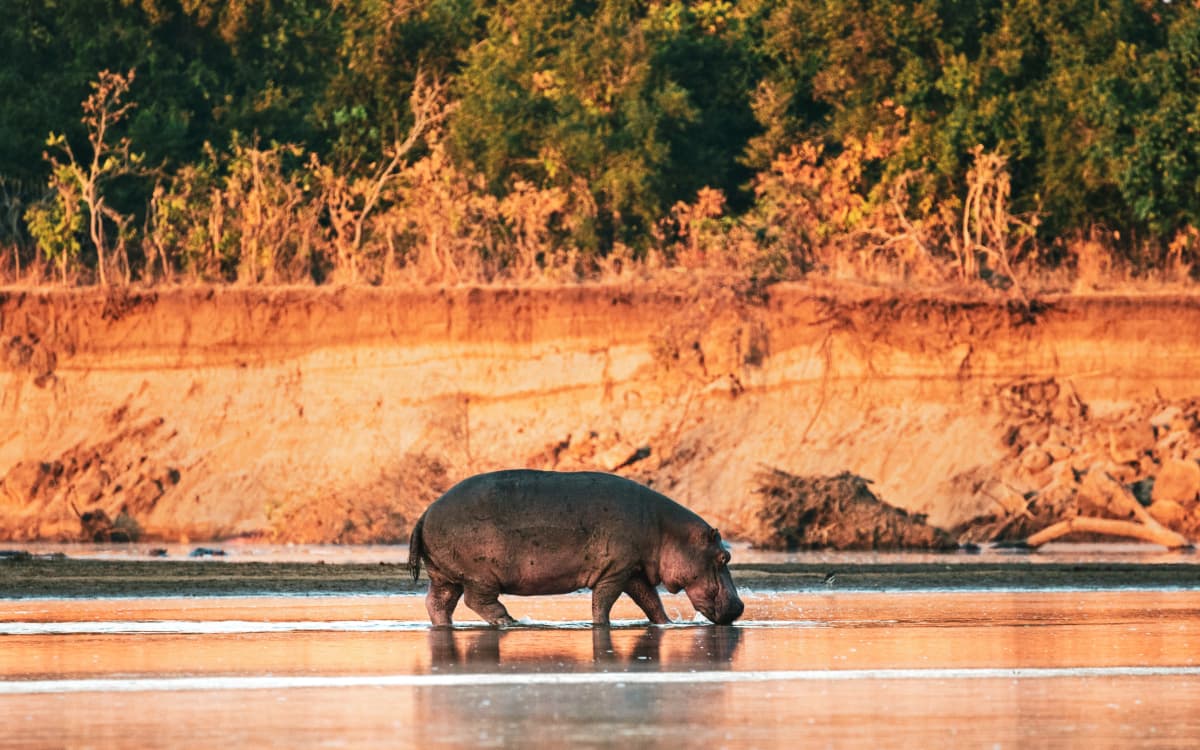
Walking isn’t about getting closer for the sake of thrill. It’s about understanding the landscape. You learn to read tracks, recognize trees, notice insects, and interpret the quiet signs of animal movement. You slow down, listen, and experience the safari as an unfolding story. You hear Africa without the hum of a vehicle. You stop to smell mahogany flowers rather than rushing past them. You taste the sour-sweet pulp of a tamarind and notice the smaller details that so often go unseen.
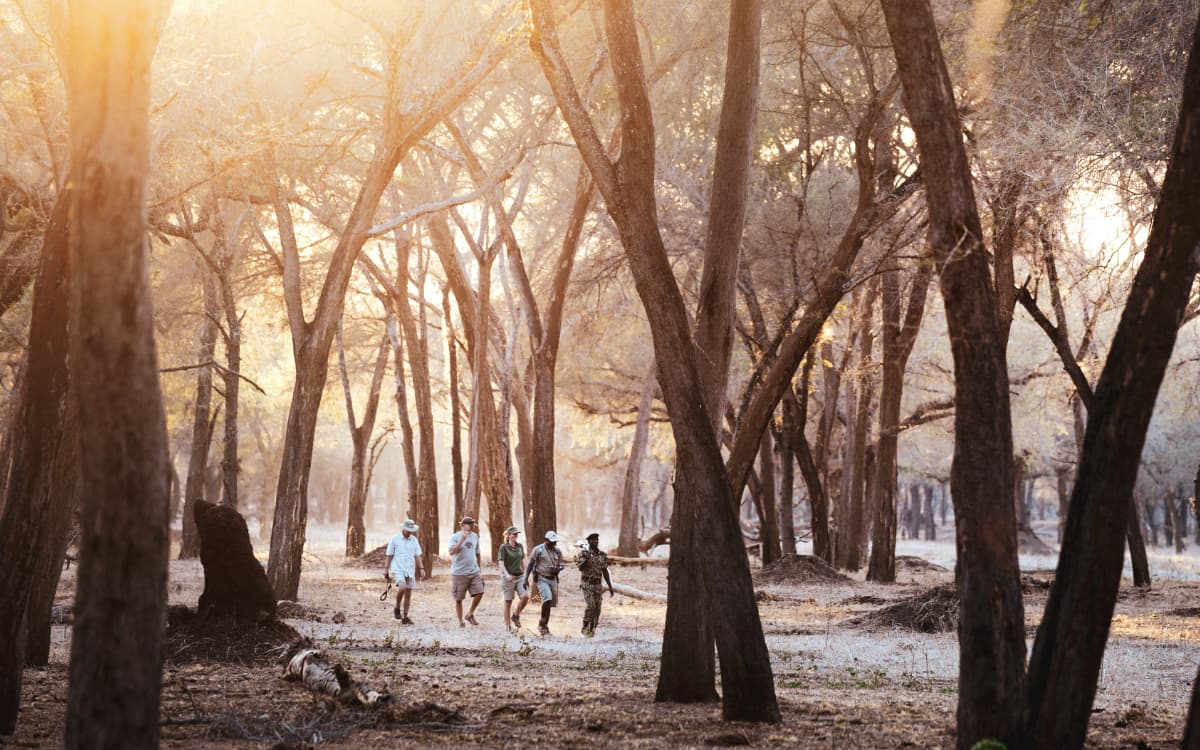
We learned how to distinguish porcupine tracks, their quills dragging lightly behind them, from those of a hippo, marked by chin hairs brushing the ground. Our silence was interrupted by the urgent call of a honeyguide — a bird that long ago struck a deal with humans, leading you to a beehive so you can take the honey, then swooping in to feast on the exposed larvae you leave behind. We watched an ant lion spring from its sandy fortress to catch an ant and learned there are more than 300 species of fig trees, each pollinated by its own corresponding species of wasp.
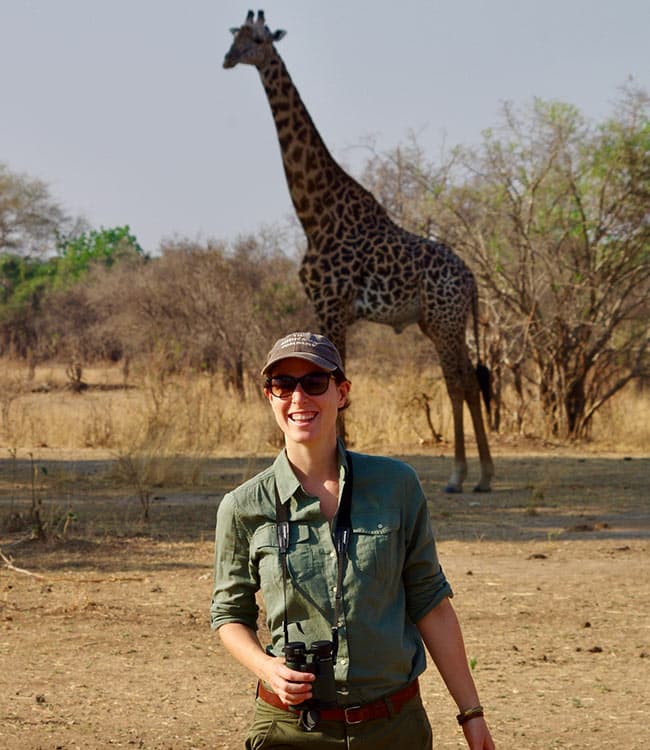
The wildlife encounters stay with you. Lions resting in the shade, giraffes moving through golden light, leopardesses fading into early morning brush, hippos surfacing just meters away. Zambia’s night drives add yet another layer, allowing you to witness nocturnal behavior and predators under a canopy of stars, a privilege few destinations still offer.
.jpg&w=2048&q=75)
Equally meaningful is Zambia’s commitment to responsible safari travel. Many lodges actively support conservation efforts and surrounding communities, funding schools, clean water initiatives, and long-term development programs. A safari here feels purposeful, benefiting not only the traveler but the wildlife and people who call this place home.
Visiting Mfuwe Secondary School brought the whole trip into focus for me, and I was especially moved when we stopped by an art class. One student kindly allowed me to photograph his work, pictured below. His leopard is composed entirely of millet seeds, and he has been working on it with remarkable patience for months. Seeing the dedication of these students, you can’t help but feel that the future is in good hands.

If your vision of an African safari includes wide-open spaces, expert guiding, and experiences that feel personal rather than staged, Zambia belongs at the top of your list. It’s wild, welcoming, and unforgettable, a best-kept safari secret ready to be discovered.
*****
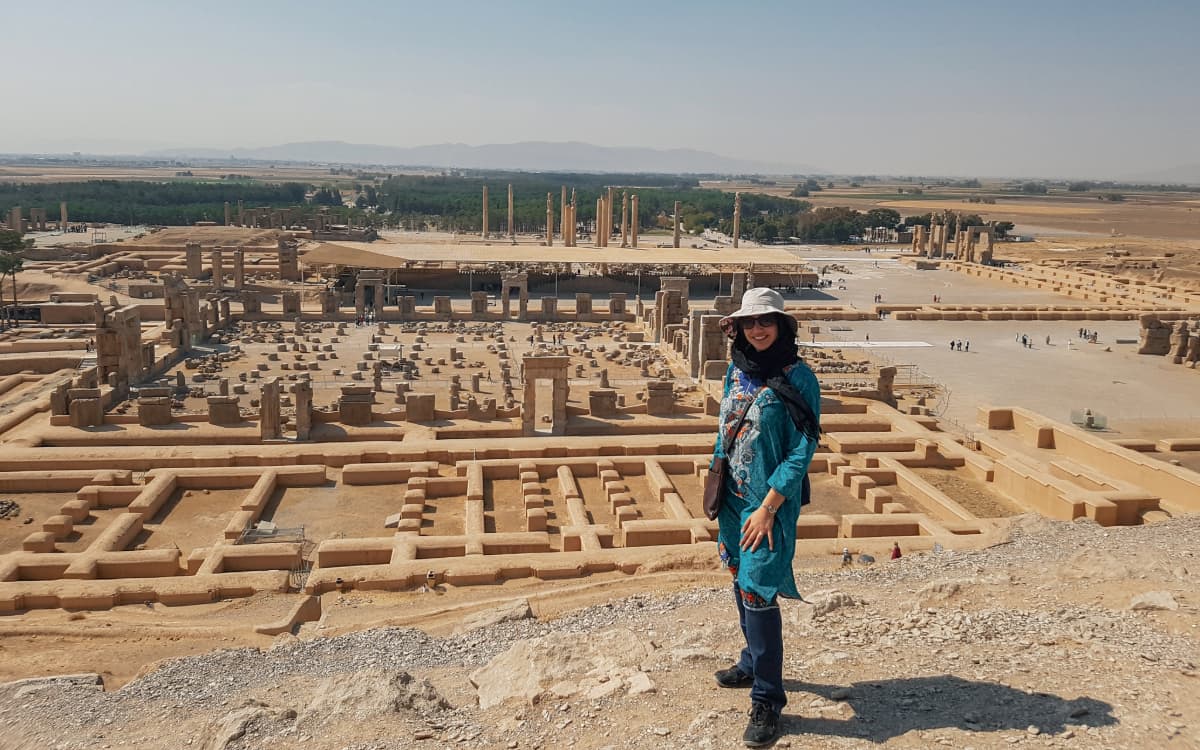
Jessica Silber is an expert in safaris and cultural tours. She’s lived in Tanzania and traveled throughout Kenya, Botswana, and Mozambique. She has trekked with gorillas in the Republic of the Congo, explored the souks of Morocco, visited mosques in Iran, and much more.
For more information on group and custom Zambia safaris, or other safari destinations, contact an expert at 888-570-7108.
*****
Photos courtesy of Chiawa Safaris