Wanderlust
Jan 8, 2026
Pakistan: Where the Mountains Teach You How Small You Are
Written by
Bill Jones
Bill Jones is a Pakistan expert and has been leading journeys in the country since 1986.
I remember the sound first.
The water was loud—not the gentle murmur of a river you stroll beside, but a deep, unrelenting roar, thick and grey, grinding its way through stone. The Indus River does not ask permission. It announces itself. It has been doing so for thousands of years.
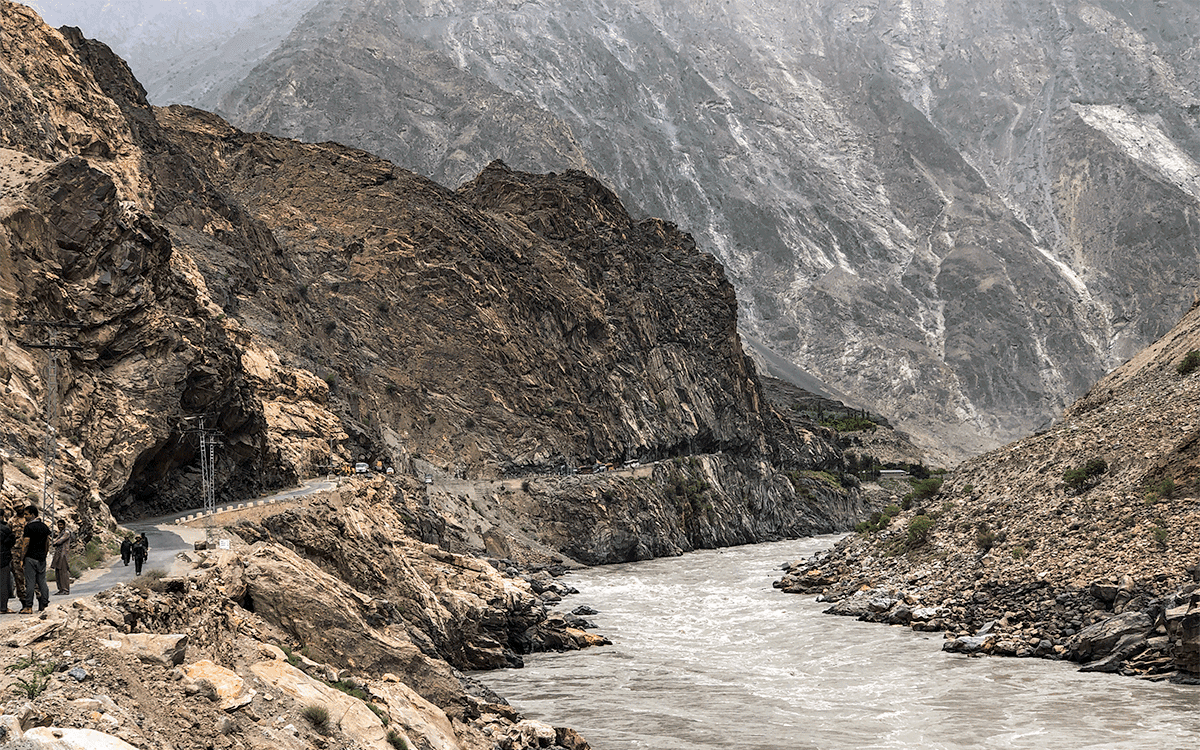
Someone told me, simply, “It’s our lifeblood.”
Standing there, I understood exactly what they meant.
The Indus rises near Mount Kailash, far away in Tibet, before carving its way through Pakistan to the Arabian Sea. Like the river, the people here come from elsewhere—carried by time rather than water. The Balti trace their origins back over 3,000 years, arriving from Tibet long before borders, passports, or geopolitics mattered.
Baltistan is often called Little Tibet, though there is nothing little about it. Twelve thousand square miles of stone, ice, and sky. A place that refuses to be reduced.
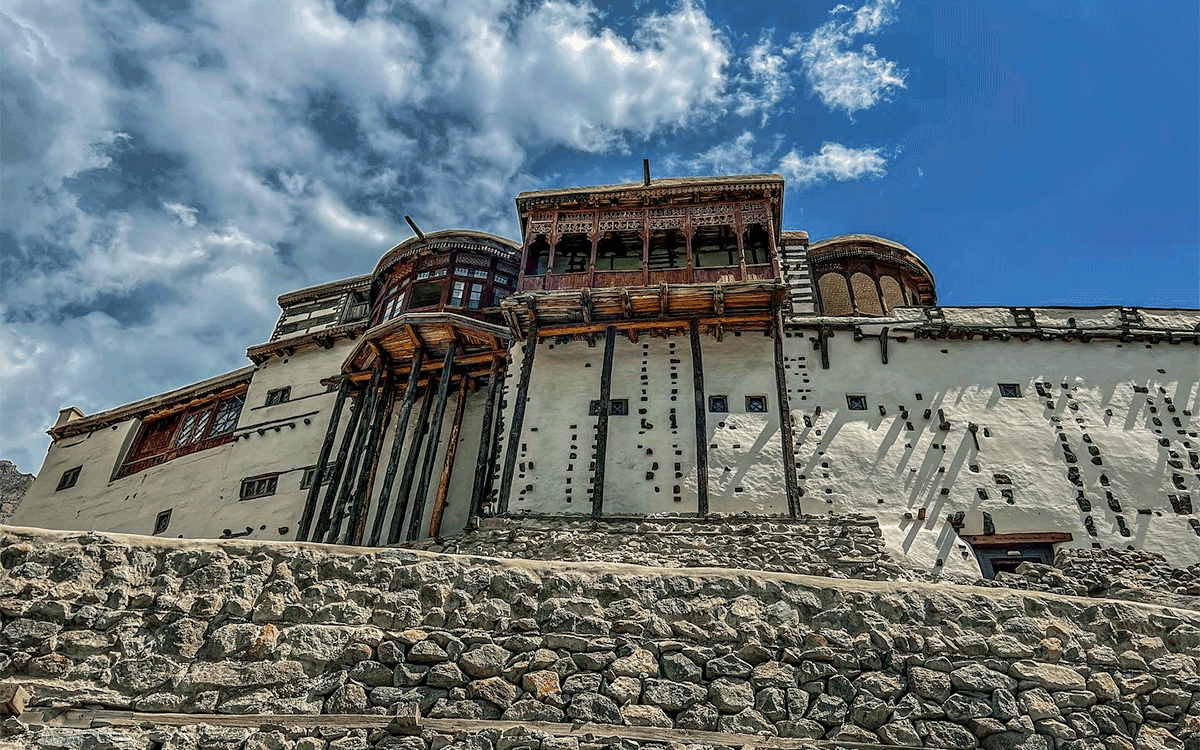
Life in Gilgit Baltistan: Culture, Language, Belief
Pakistan has many faces, many languages—around seventy by most counts—and many beliefs. The Balti are predominantly Shia Muslims in a country that is largely Sunni, and their first language, Balti, sounds ancient even when spoken casually, like it remembers things the rest of us have forgotten.
First Journeys into the Karakoram
I led my first tour to Pakistan in 1986.
Travel then was harder, slower, and more uncertain. Roads were rough, maps unreliable, and information scarce. But that difficulty was a gift. Being early—being present before itineraries became polished and places labelled—allowed me to form connections that would last a lifetime.
_Bill-Jones_1200x750.png&w=2048&q=75)
The Karakoram Mountains and a Sense of Scale
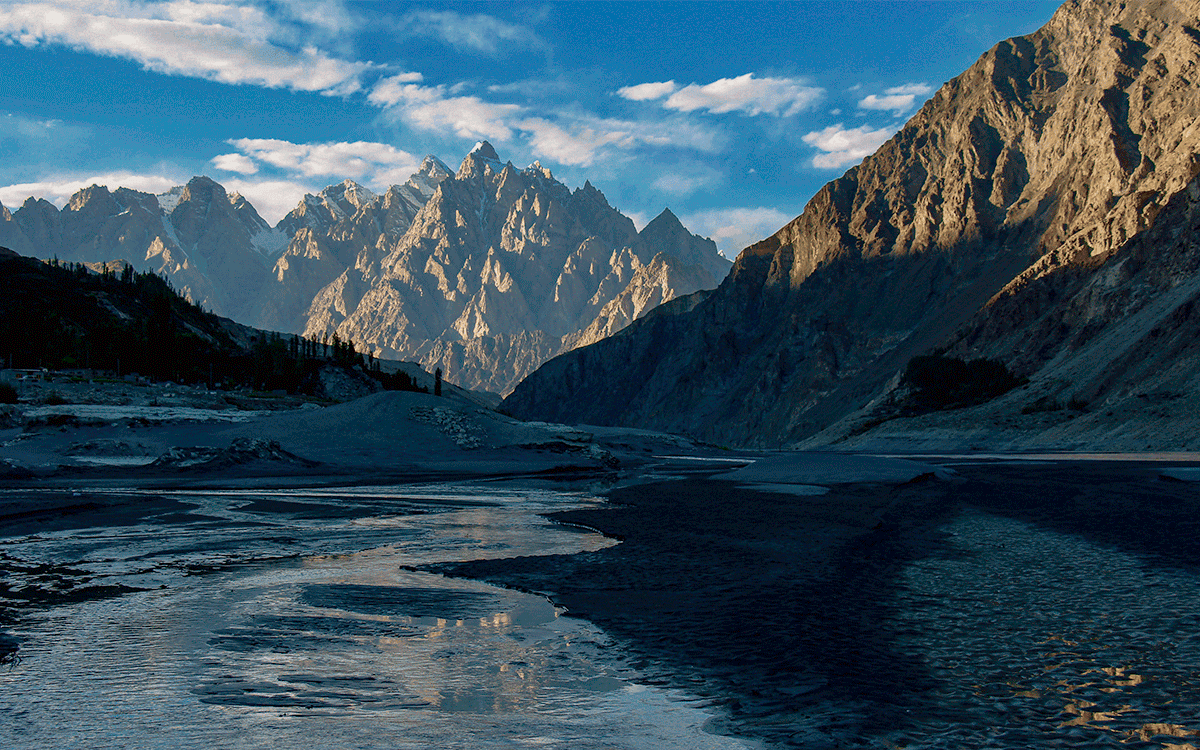
The Karakoram does not ease you in gently. It confronts you. Peaks rise abruptly, without apology, dwarfing any sense of personal importance you arrived with. The scale is almost impossible to process. You don’t admire these mountains—you submit to them.
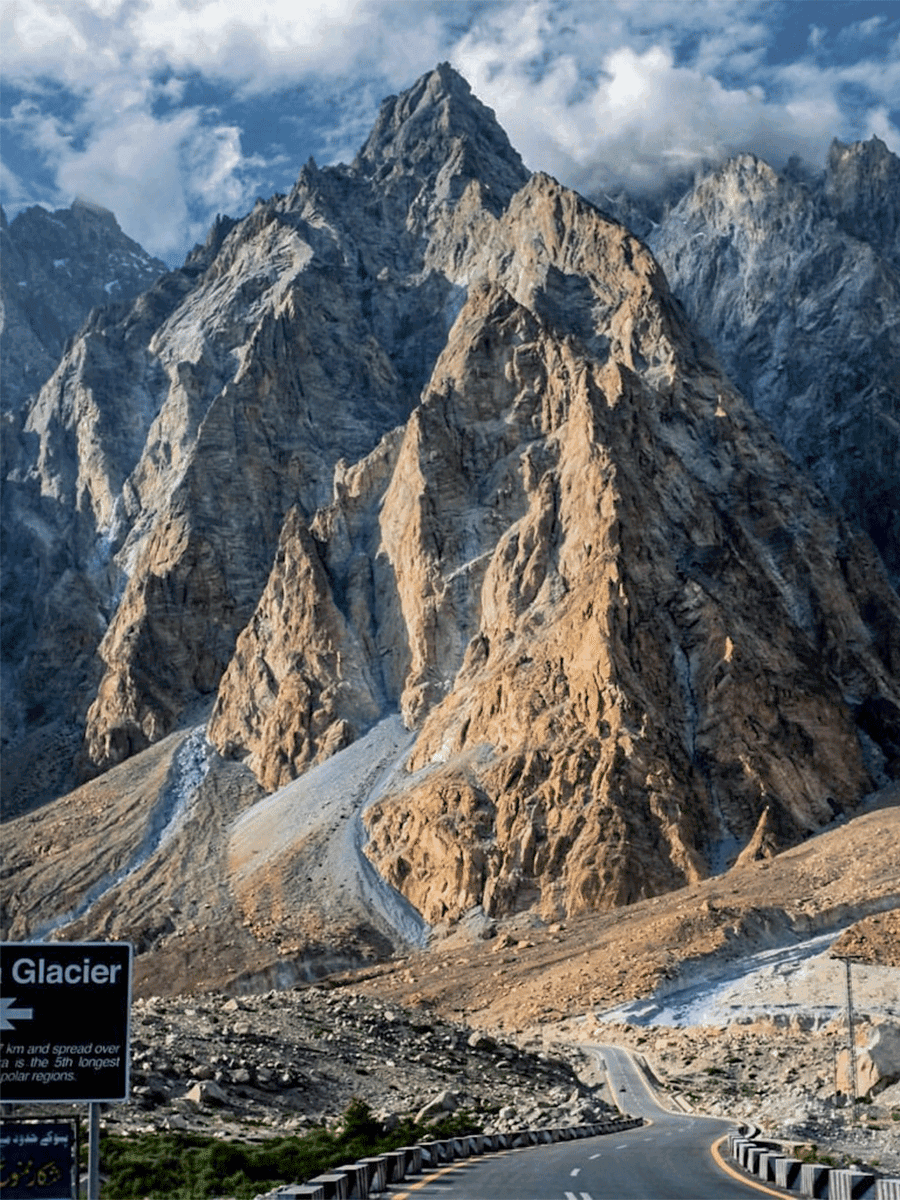
I’ve walked among many ranges in my life, but there is something uniquely humbling here. Perhaps it’s the density of giants, the way seven-thousand-metre peaks appear as though they’re casually stacked together, or the way glaciers spill into valleys like frozen oceans.
Hospitality in Pakistan, Daily Life, and Human Connection
What surprised me most, though, were the people.
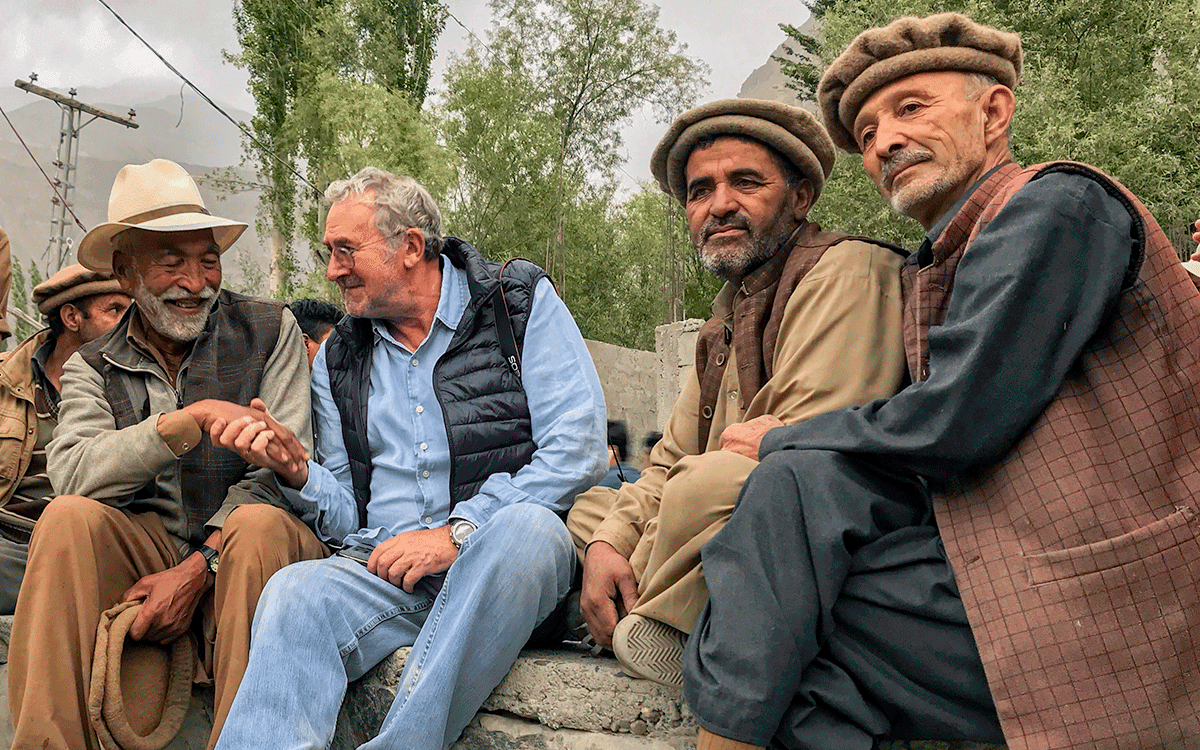
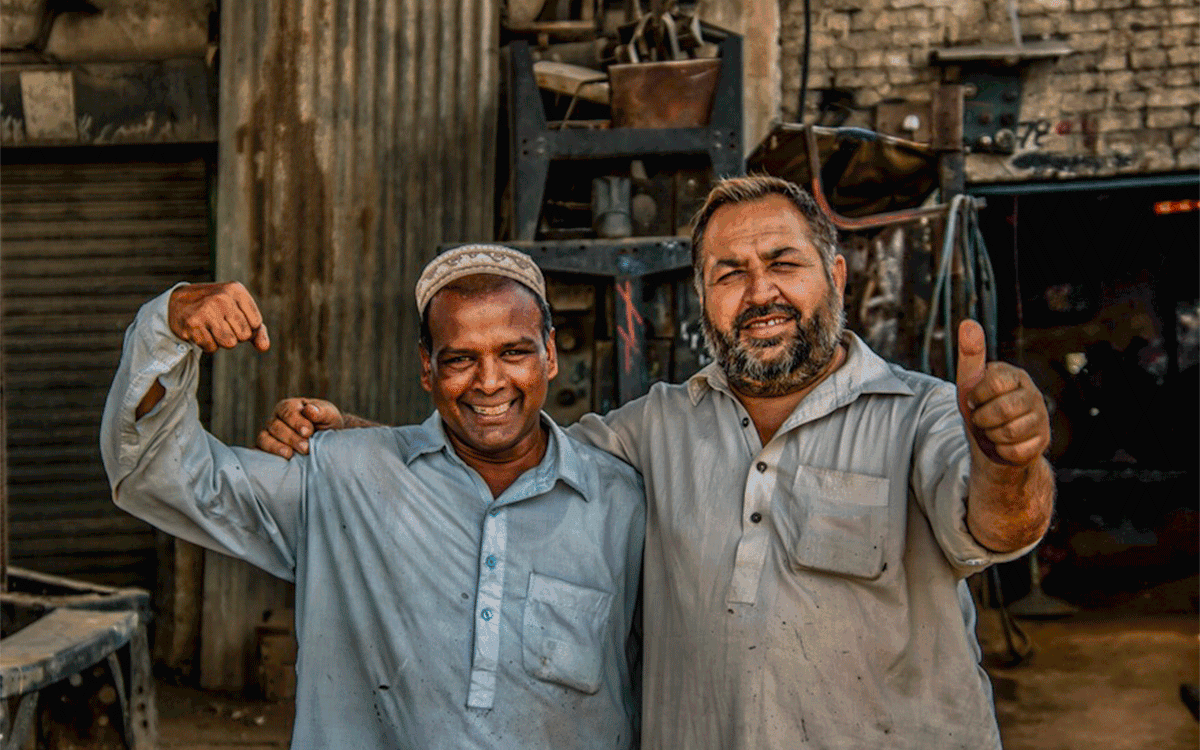
From the madness of Rawalpindi to the quiet villages of Hunza Valley, hospitality was constant and effortless. Smiles came easily. Invitations came quicker.
I would be walking down a street and someone would wave me over—Where are you from? Have you eaten? Come, sit.
I drank more cups of chai than I could ever count, most of them pressed into my hands by strangers who would not accept refusal.
I was welcomed into homes again and again, fed until I physically could not eat another bite, then fed some more. Hospitality here is not transactional. It’s instinctive. You don’t earn it—you’re simply given it.
Over the years I’ve made friends all over the world, but some of the most genuine friendships of my life were forged in Pakistan. There is a warmth here that does not perform. It simply exists.
The Karakoram Highway and the Ancient Silk Road
There is a road that threads through all of this—a scar and a miracle at once.
The Karakoram Highway connects Pakistan with China and is the highest paved road on Earth. Colourful trucks—rolling canvases of poetry and paint—grind their way through the mountains, carrying goods, stories, and livelihoods between worlds.
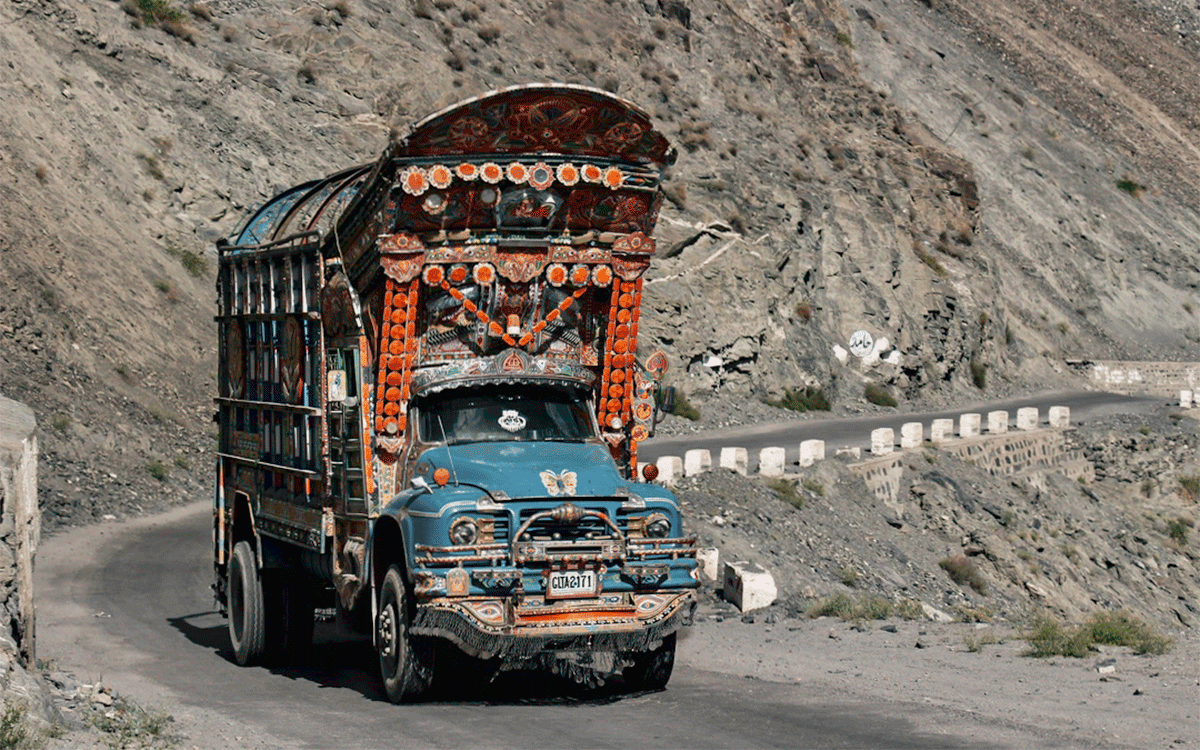
Driving it feels unreal. One moment you’re staring at Rakaposhi, impossibly close, the next you’re winding past the Passu Cones, then climbing toward the Khunjerab border, where altitude thins the air and thought slows to match it.
This road follows paths far older than asphalt. Pakistan sits at the heart of the ancient Silk Road, where traders, monks, and explorers once crossed between empires. Islam moved east through these corridors, Buddhism north, spices west. Standing here, history doesn’t feel distant—it feels layered, like sediment under your feet.
Is Pakistan Safe for Travelers?
People often ask me if Pakistan is safe.
I tell them yes—not defensively, not dismissively, but honestly. During the tour, our time is spent entirely in Gilgit Baltistan, one of the safest regions I’ve travelled in anywhere. Crime is low. Curiosity is high.
Fear, I’ve learned, usually belongs to those who have never been.
The reality of Pakistan bears little resemblance to the version sold by headlines. What exists instead is generosity, resilience, humour, and a deep pride in place.
Food, Dress, and Everyday Beauty in the Mountains
And then there is the food.
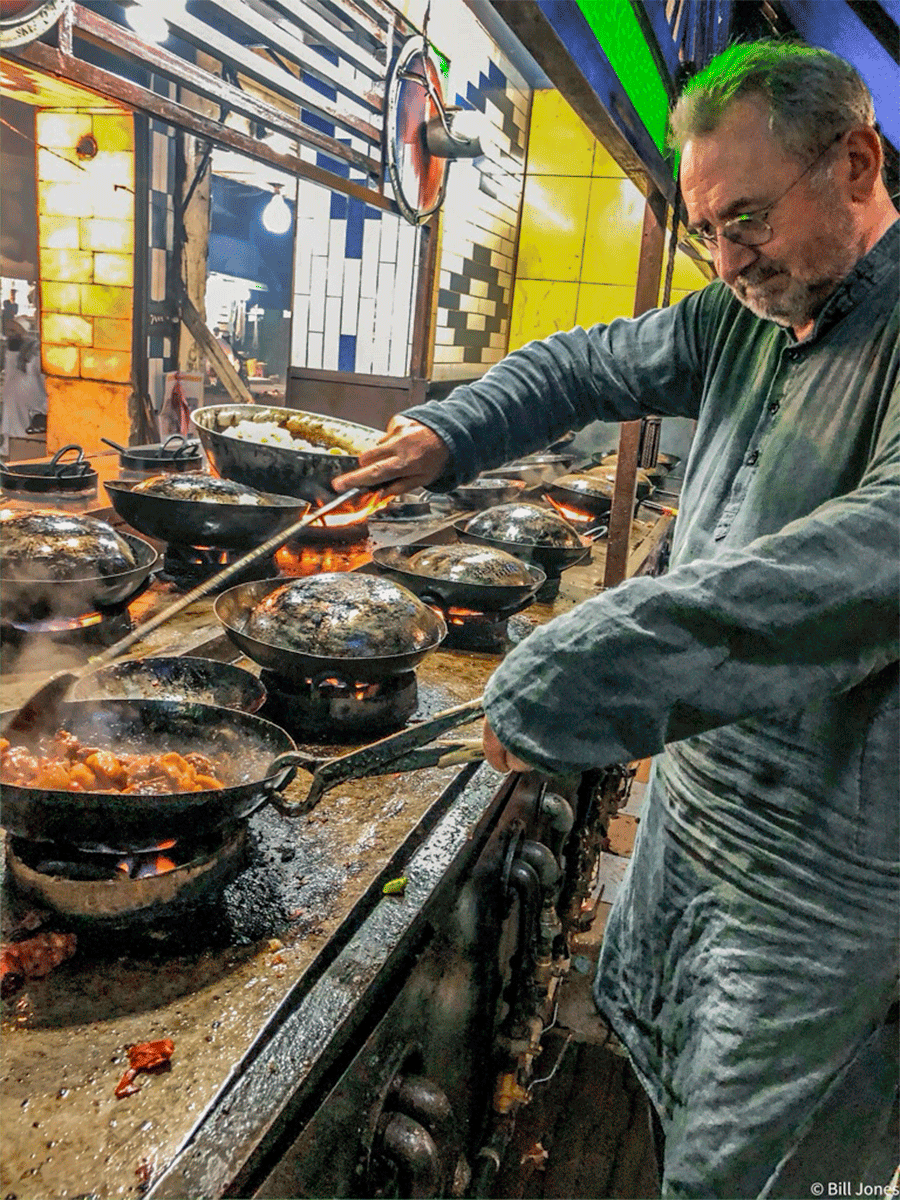
Rich curries, grilled meats, fresh fruit pulled straight from orchards. In the mountains, everything tastes cleaner, simpler, more honest. The cuisine of Gilgit-Baltistan is distinct again—proof that diversity here is not an idea but a lived fact.
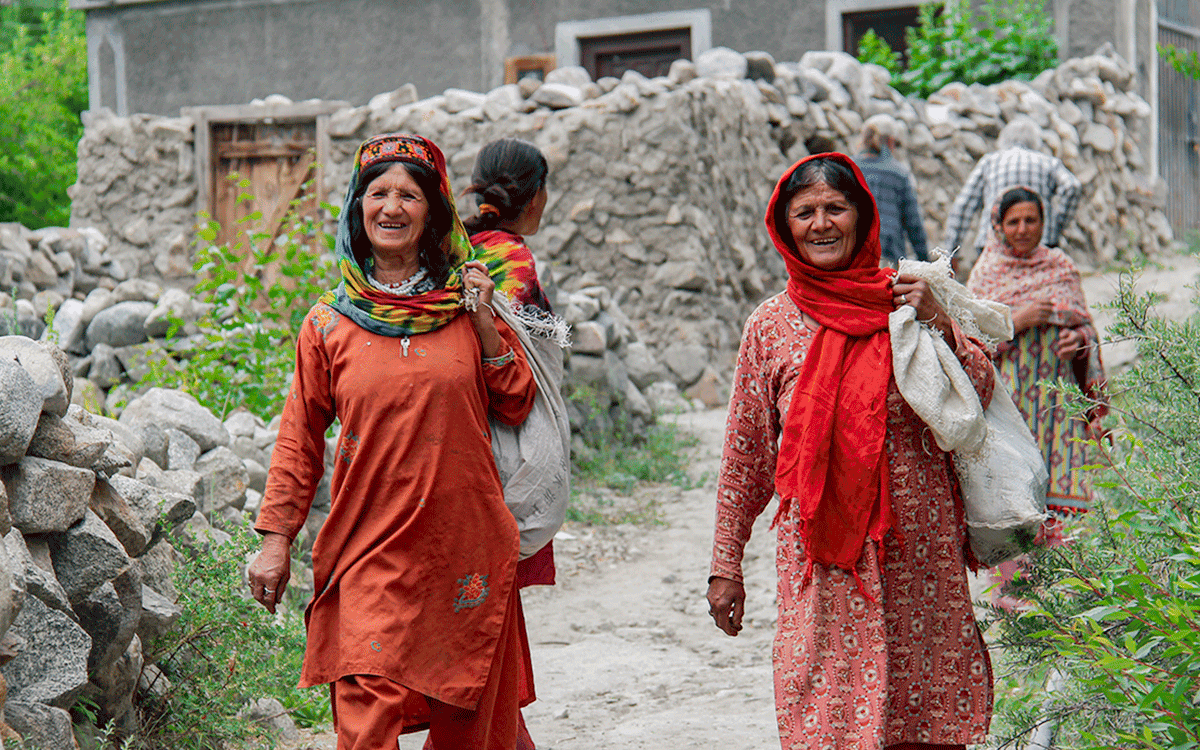
Even clothing tells a story. The shalwar kameez, loose and flowing, is as practical as it is elegant. Once you wear it, Western clothing feels strangely restrictive—like it was never designed for a life lived outdoors.
I love the absurd beauty of Pakistan’s buses and jingle trucks. I love the way the light changes on the mountains at dusk. Most of all, I love the people—their kindness, their patience, their insistence that you are welcome.
There is no way to travel through Pakistan without being changed.
Every time I leave, I carry something new with me—a deeper humility, a sharper sense of scale, a reminder of how small we are and how generous the world can still be.
Among these giants, the land does something rare.
It quiets you, it steadies you.
And in doing so, it teaches you how to listen again.
Explore Pakistan with Bill Jones on our Journey Into Northern Pakistan trip. Contact an expert to start planning or give us a call at 888-570-7108.