Wanderlust
Apr 16, 2026
A Journey Through India
Written by
Katia Kravtchenko
Editor’s Note: On a recent exploratory trip through India, GeoEx’s own Katia Kravtchenko witnessed the evolving role of women in Indian society. Her experience helped shape our latest Women of the World journey, The Magic of India.
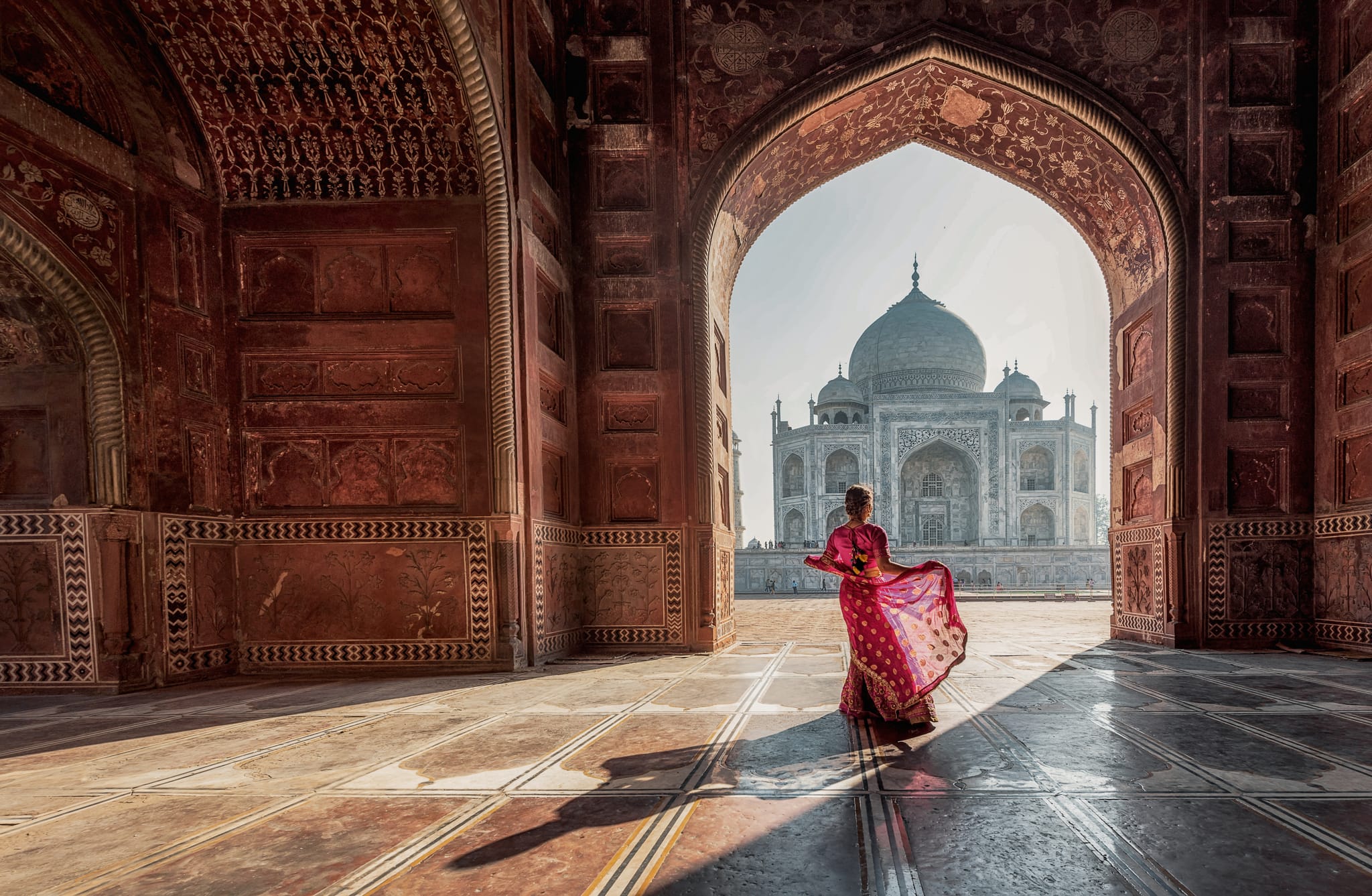
There are moments when a place feels particularly alive: when the past, present, and future seem to be unfolding all at once. To travel through India now is to see a culture actively redefining its future while remaining deeply rooted in its history. Witnessing that evolution, and hearing the stories behind it, is what made this journey so meaningful.
At the heart of these shifts are the women: they are reshaping families and businesses while honoring the traditions they still value. For those willing to listen, these changes tell a story far richer than anything I expected.
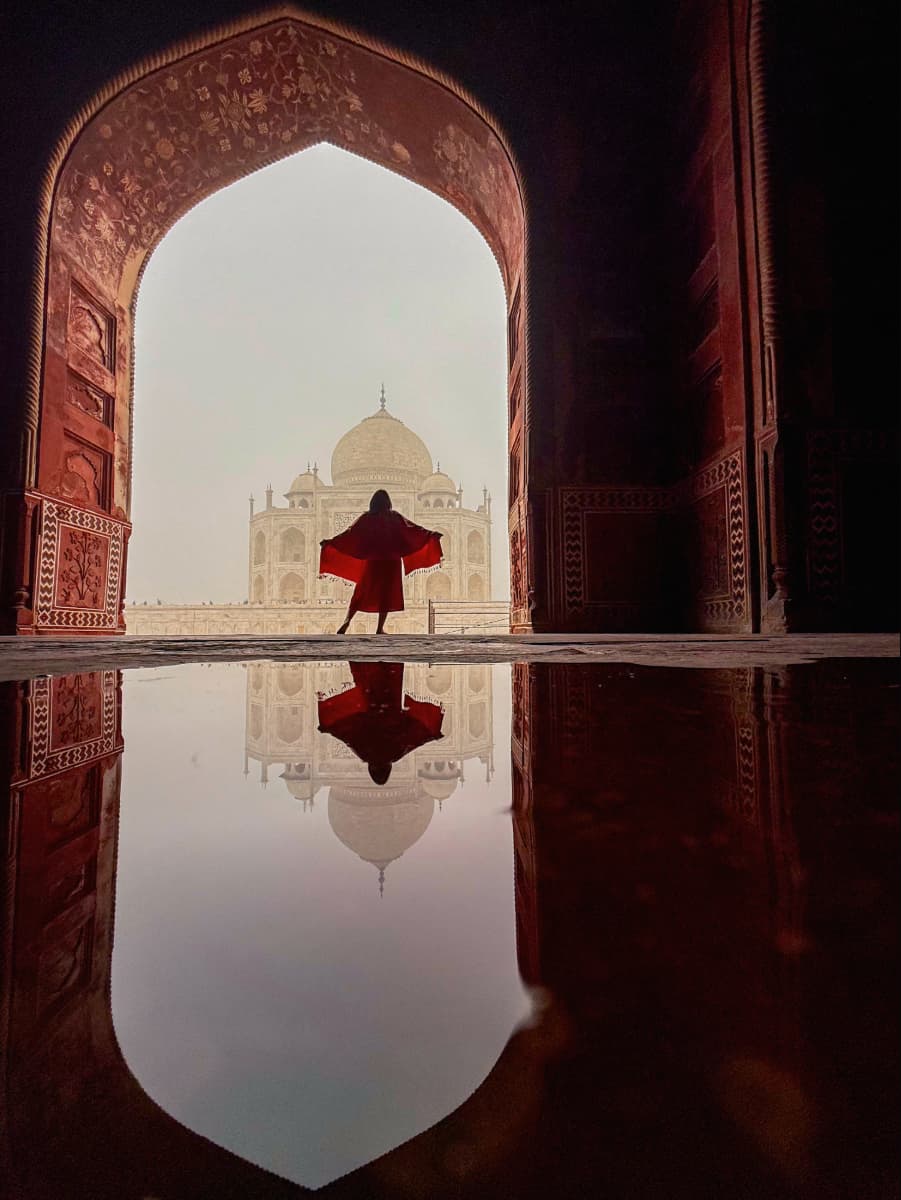
First Taste of India
Everyone arrives in India with a story already forming. Some come for the chaos or the color. Others come for spirituality, culture, or cuisine. Most arrive with a version of India already in their mind: an image, a stereotype, a half-told tale.
That version lingers, just long enough to be tested. Then, slowly, almost without noticing, it begins to give way to something more immediate, more nuanced, more real.
I arrived at night, though it hardly felt like night. The city was awake in a way that made the concept of hours feel irrelevant. There was no gradual introduction; India immersed me all at once. The air carried warmth and presence. Even in the dark, the roads were alive with motion: cars, people, gestures, and glances. What surprised me wasn’t the intensity; it was the energy. I felt alert in a way that was unfamiliar. I wasn't overwhelmed or disoriented. I was fully alive.
India’s Living History
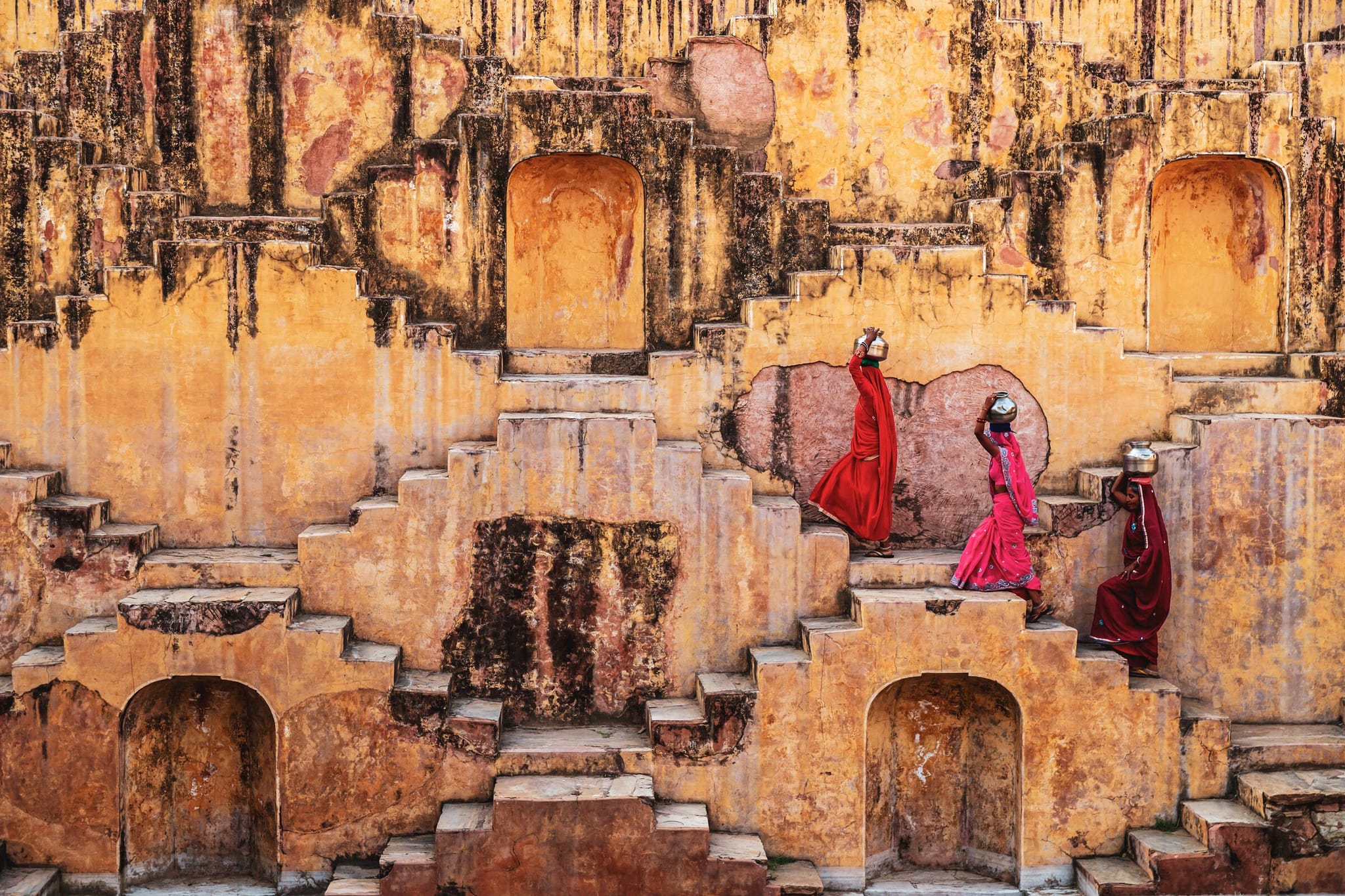
The road to Chanoud Garh in rural Rajasthan shifted slowly, almost without announcement. Venturing further into rural Rajasthan, the green thinned, the air dried, and the landscape opened into something quieter, older. Women in bright saris moved along the roadside with baskets balanced on their heads. Goats gathered in clusters. A camel crossed the road as if it had all the time in the world. By the time we arrived, I felt like I had already stepped into something special.
Chanoud Garh is a 300-year-old fort that has never left the hands of the family who built it. It isn't preserved as a monument or staged as a grand palace. It’s something more personal, more layered, a home that has carried thirteen generations of the Singh family and still holds them within its walls.
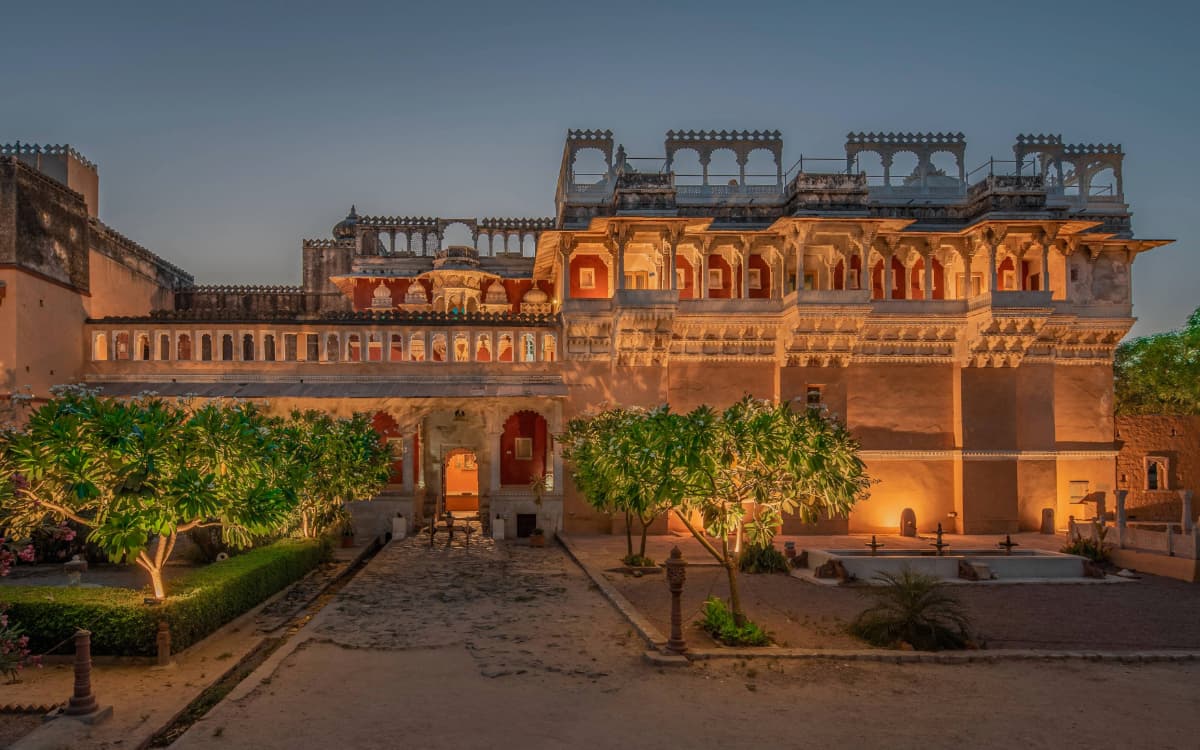
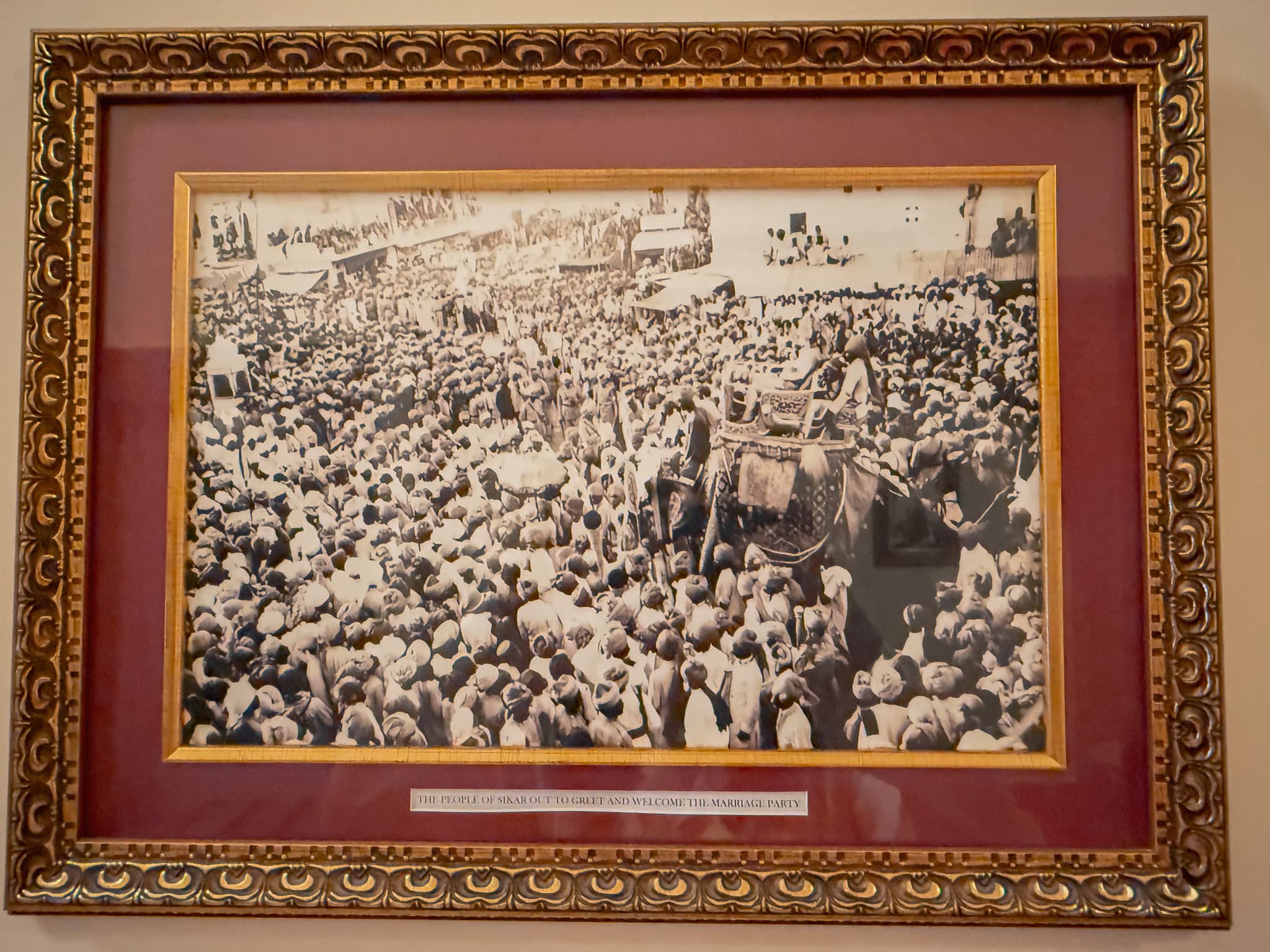
Everywhere I looked, I was surrounded by history. The walls were lined with photographs, generations captured in time. Images of a very different era. These were not decorative choices; they were family photographs. In one photo, a wedding procession moved through a dense crowd, elephants leading, camels following, the scale of it almost unimaginable now.
Here, the most profound moments lived in the quietest details: the discovery of a hand-drawn astrological scroll tucked away for over a hundred years, a suit of chainmail hanging in the corner, or a collection of hand-carved sitars resting near ancient swords. To stand among them was to witness the Rajput duality of the warrior and the poet.
There is something deeply grounding about Chanoud Garh. It doesn’t perform its heritage; it simply allows thirteen generations of history to exist in the same breath as your visit. But the moment you step beyond the massive stone gates, the story shifts from the past to the unfolding present.
In the village just outside the gate, one that only recently gained running water, tradition was visible in every doorway. Women stood at their thresholds, faces fully covered in the traditional ghoonghat, dressed in vivid, flowing skirts, layered in jewelry. They carried themselves with a quiet, unmistakable pride. It felt like a window into a version of life where identity and heritage still sit right on the surface.
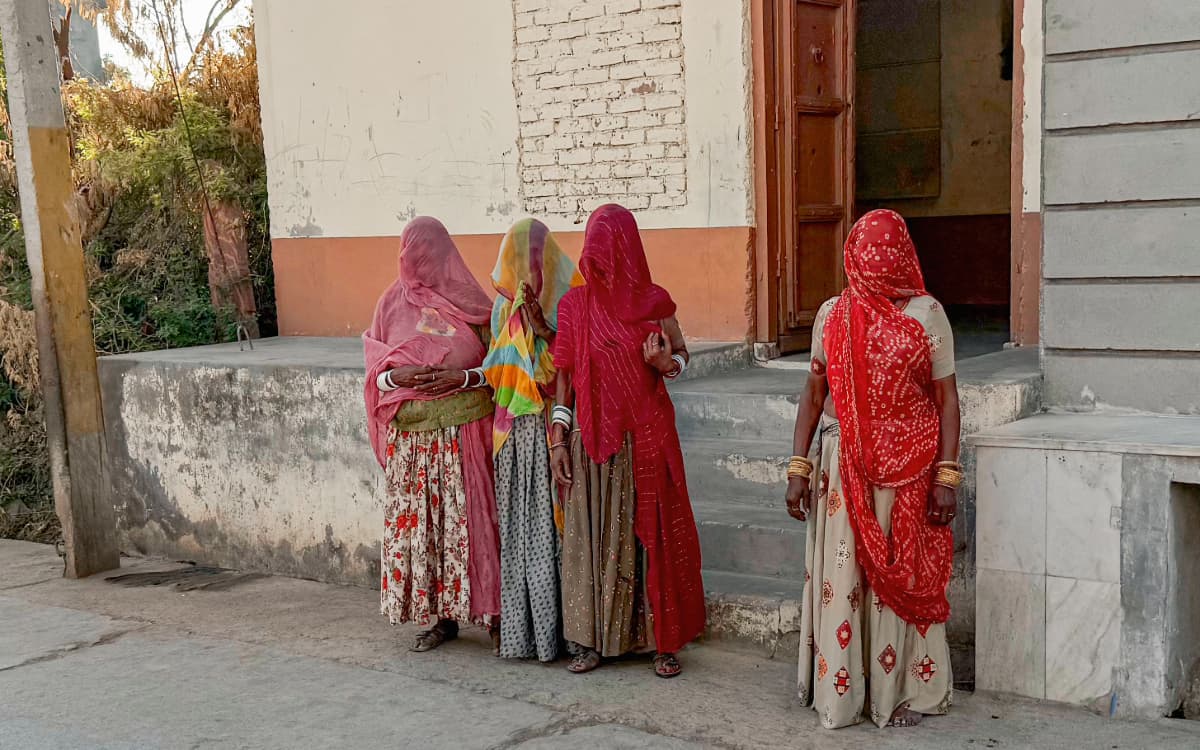
And yet, even here, there was a shift. Younger generations are looking outward, and new opportunities are beginning to reshape what’s possible.
The Evolving Role of Women in India
The quiet, veiled thresholds of Chanoud felt a world away the moment I arrived in Udaipur. I saw women expertly navigating the chaos of the road on scooters, a sharp, confident contrast to the traditions of the village.
In cities like Udaipur, when a girl enters the 9th grade, she is given a bicycle. As the bicycle generation has grown into the scooter generation, the autonomy gained from those first few miles on a bike has translated into women who now navigate urban life with the freedom to choose their own destination.
That freedom of choice goes beyond the road. It lives in the quieter, often difficult space between inherited tradition and personal ambition. Across India, the boundaries of what is "allowed" or "expected" are being tested, revealing a landscape where the old rules and new realities now live side by side.
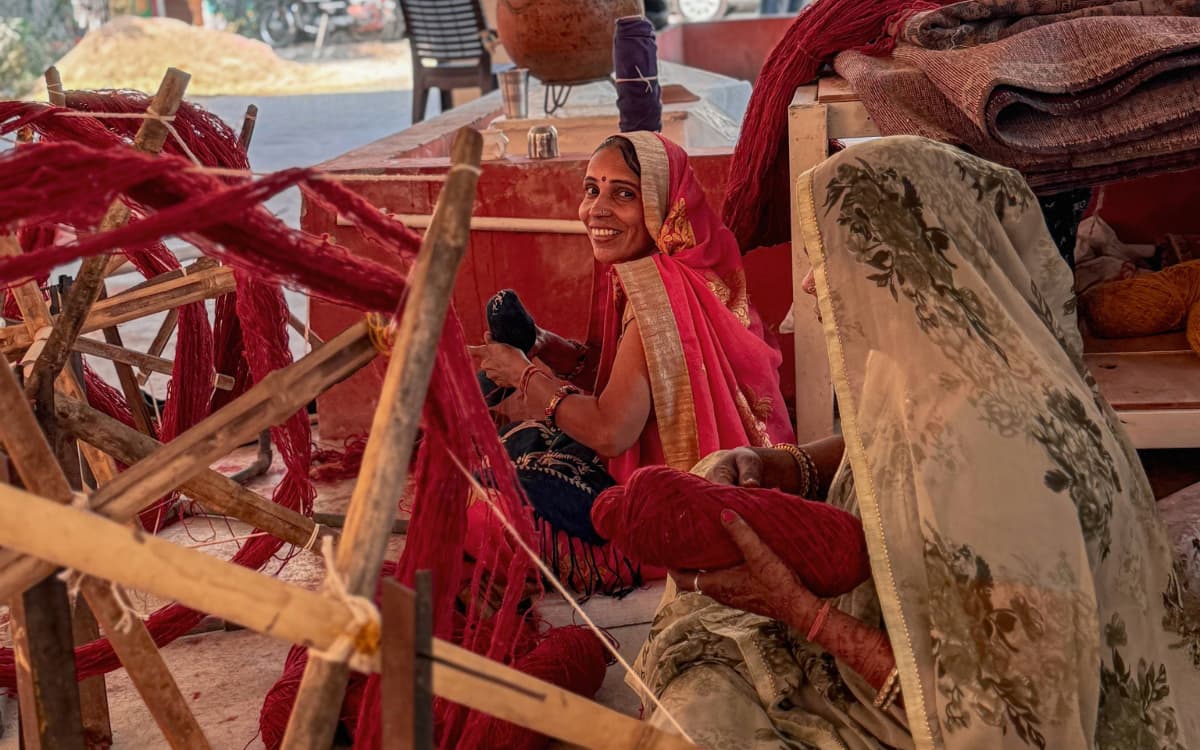
In some communities, traditions remain deeply anchored. Expectations around marriage, family, and social roles continue to guide daily life. In others, women are reshaping those expectations entirely: carving out professional lives and financial independence that were previously out of reach.
Throughout my journey, I found myself sitting with women. It wasn’t something I planned; it just kept happening. I sat with women over tea, talking about their lives, their choices, and their families. Conversations started simply, then unfolded into something deeper. Listening to perspectives that didn’t fit neatly into any single narrative.
An arranged marriage. A love marriage. A career. A life centered on home. Different paths, each fully inhabited.
What became clear is that there isn’t one story unfolding here, there are many. I started to notice the assumptions I carry, the ways my own life has been shaped by what was available to me. I began to see how much of what I consider normal is simply what I’ve been given access to.
That’s when the experience deepened.
Varanasi: India’s Sacred City
The journey through India is as much an inward exploration as an outward one. Varanasi is where it took hold.
Varanasi is one of the oldest cities in the world, but what’s felt here isn’t history in the way we usually mean it. Its presence. Everything feels immediate.
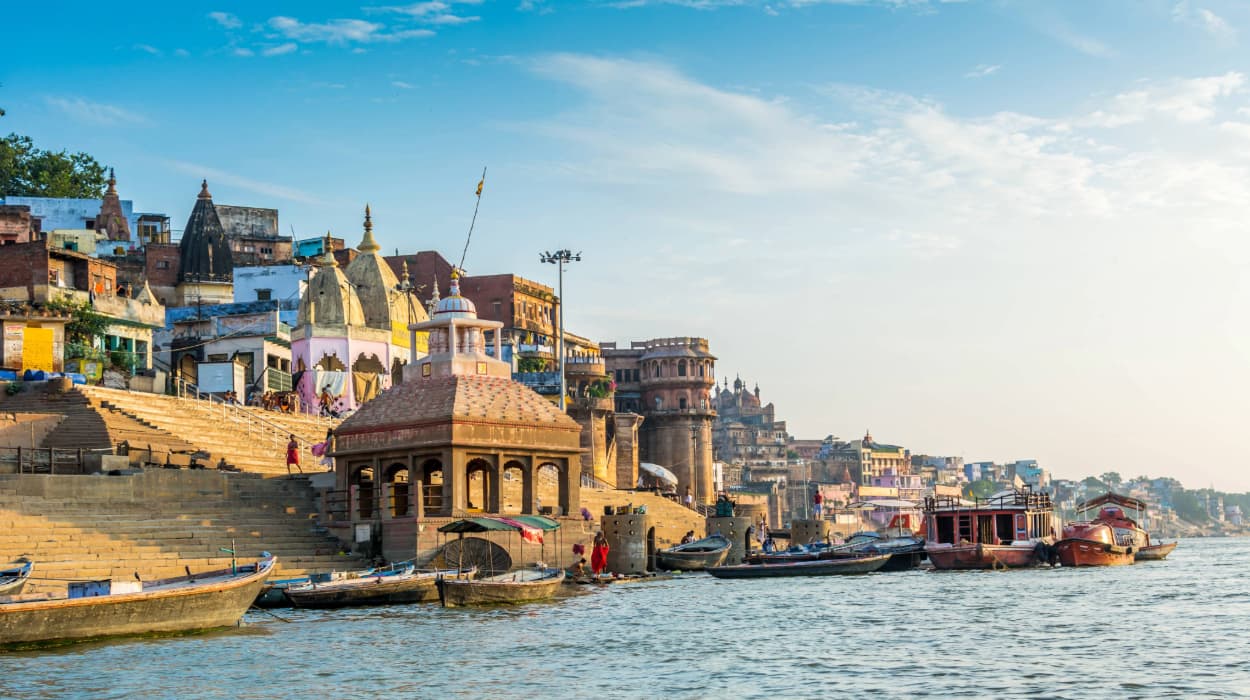
The architecture carries that same feeling. The buildings rise directly from the Ganges, layered on top of themselves, centuries compressed into a single, continuous structure. It creates a quiet disorientation, a sense that the past remains present, woven into everything that stands along the water.
It is a sacred city tied so closely to death, yet it is so full of life. The streets are in constant motion, motorbikes weaving through crowded streets, people moving with purpose. And each night, along the Ganges River, thousands gather for the Aarti. People come from all over to give thanks. While in the U.S. we have one day set aside to give thanks, in Varanasi, it happens every evening. Priests stand in unison, lifting fire toward the sky in slow, deliberate movements, bells ringing, chants carrying across the water.
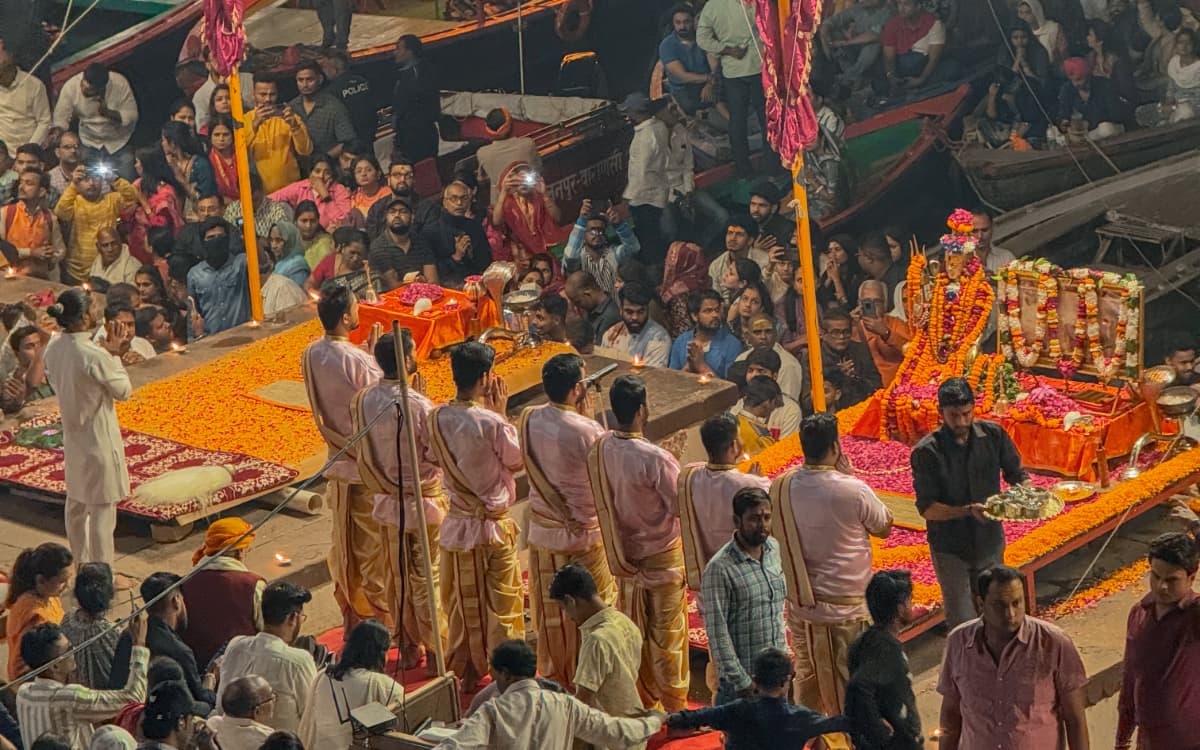
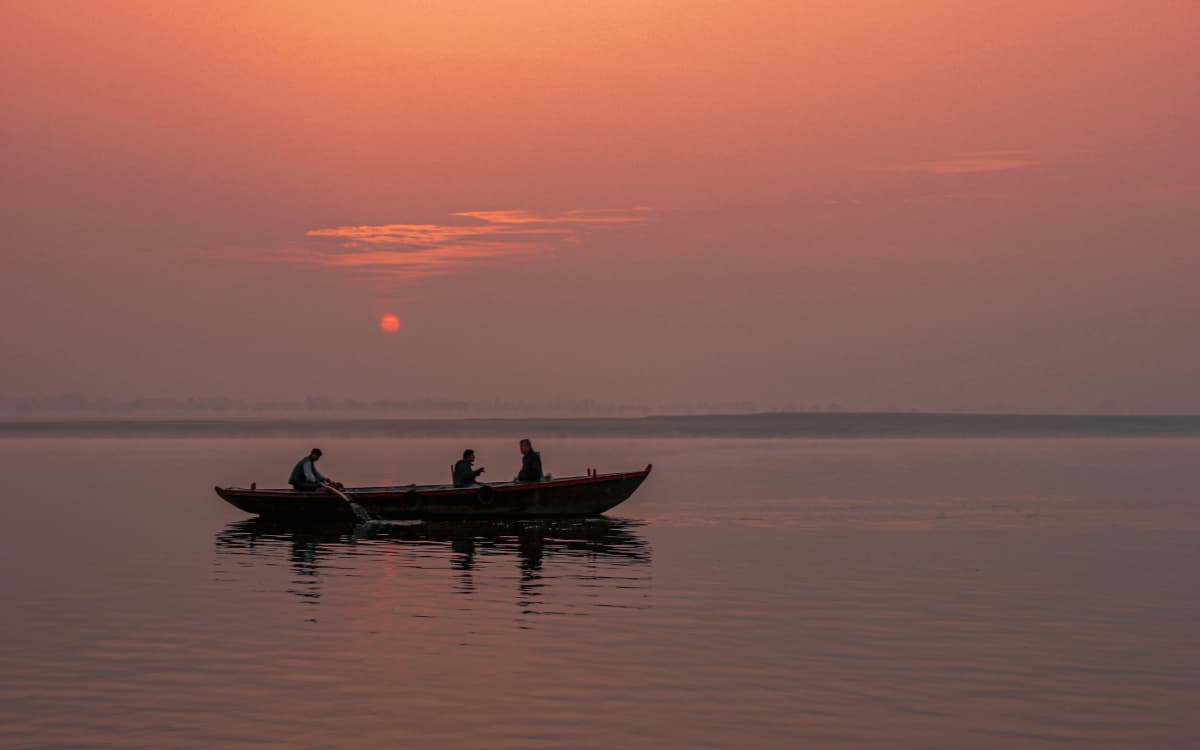
By morning, everything shifted. The same city felt quieter, more exposed. There was a depth to it that settled in. I took a boat out along the Ganges, moving past the ghats as the city slowly came into view from the water. When I reached Manikarnika Ghat, where the cremation fires burn continuously, I climbed up onto the bank. My guide gestured toward the pyres and asked me what I noticed.
It took a moment for the realization to sink in: in the group of mourners and workers, there wasn't a single woman in sight. In Varanasi, tradition still holds a firm grip on the threshold of the afterlife. There is a lingering belief that a woman’s grief is too powerful; that her tears are so "heavy" they might tether a soul to the earth, preventing it from moving on in peace.
Just beyond the stacks of timber, I saw a family honoring their loved one. I stood there, watching. A young boy with a shaved head, the ritual mark of the son who must lead the final rites, stood small among the men. It was his mother who had passed.
There's no divide between life and death in Varanasi. They exist together.
I stood there longer than I expected to, taking in that everything: beginning, ending, continuation was all around me.
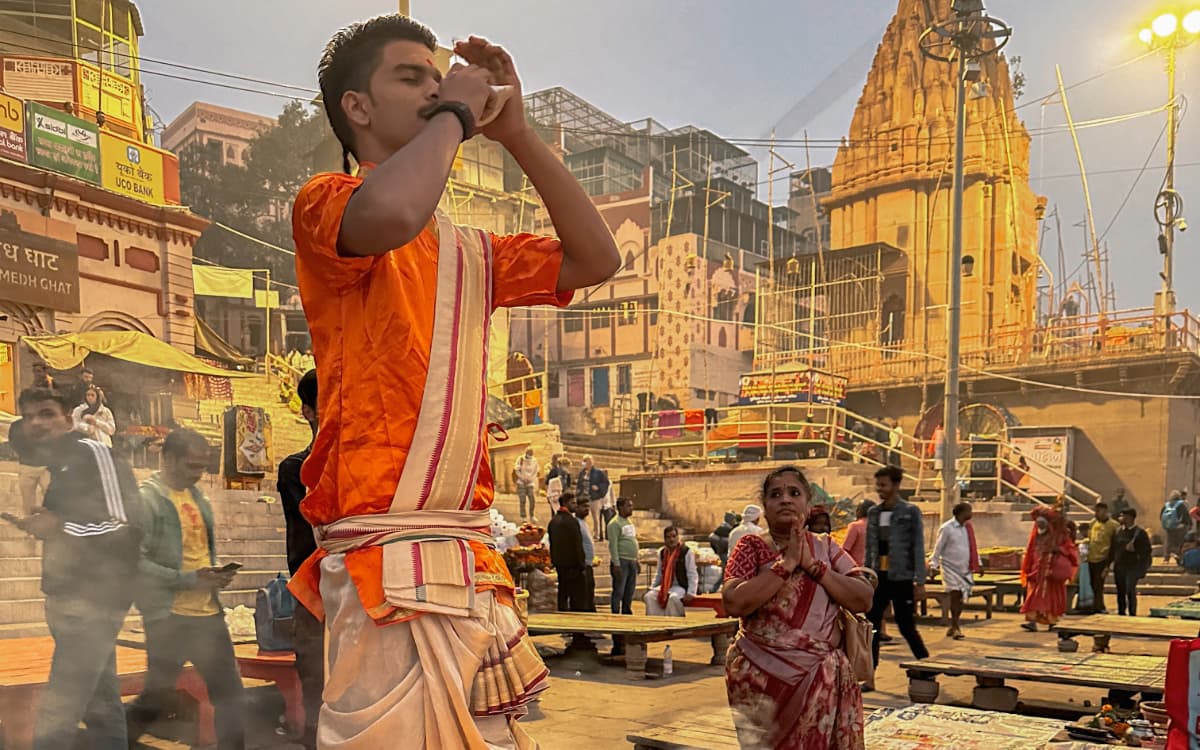
What India Leaves Behind
What India teaches is that life does not arrive in separate parts. Not here. Grief and devotion, chaos and stillness, tradition and independence all exist at once, each pressing up against the other. In a world that teaches us to divide and contain, India asks something else. It asks us to stay open long enough to hold contradiction without rushing to resolve it.
I felt that in the markets bursting with color, in the quiet concentration of a potter shaping clay on a wheel, in the beautiful absurdity of laughing yoga at sunrise, and in the candle flickering on the Ganges while the world roars around it. Again and again, India returned me to the same realization: that peace is not found in the absence of tension, but in the ability to remain present within it.
This journey pushed me past the edges of what I thought I knew, in ways I didn’t anticipate. By the time I left, I realized I wasn’t the same person who arrived. India didn’t give me the polished answers I expected. It pushed me beyond the limits of my own assumptions, and in that, I came home with a deeper understanding of my life and my agency. It has changed me in ways I am only beginning to understand.
Explore India Through the Stories of Women
Traveling through India reveals many layers, but some of the most meaningful moments come from the connections made along the way. GeoEx's The Magic of India journey is designed to offer rare access to the perspectives and lived experiences of women across the country. If you’re ready to experience India through this lens, connect with a GeoEx travel expert to begin planning your journey.
Frequently Asked Questions About India
Is India safe for solo women travelers?
India can be a rewarding destination for solo women travelers, especially when the trip is well planned and approached with cultural awareness. Like any large and complex destination, the experience can vary by region, pace, and travel style. Many women find India deeply enriching, particularly when traveling with trusted local support, thoughtful logistics, and an itinerary that allows them to experience the country with confidence and depth.
Is India a good destination for travelers interested in women’s stories and social change?
Yes. India can be an especially meaningful destination for travelers interested in women’s experiences, social change, and cultural complexity. Across regions and communities, women are navigating inherited tradition alongside new forms of independence, education, and opportunity. For travelers who listen closely, those realities reveal a richer understanding of India than a standard sightseeing experience ever could.
Why is India such a meaningful destination for cultural travel?
India is one of the most layered destinations in the world for cultural travel because history, spirituality, daily life, and social change all exist side by side. Ancient traditions continue to shape everyday life, while modern ambitions and shifting identities are visible in cities, villages, and sacred spaces alike. That complexity is what makes travel in India feel so immersive and alive.
What is special about Chanoud Garh?
Chanoud Garh is a historic fort in rural Rajasthan that has remained in the hands of the same family for generations. What makes it special is the way it holds history as something lived rather than staged. Photographs, artifacts, architecture, and family presence all contribute to a deeper sense of place and continuity, allowing travelers to experience heritage in a way that feels personal and immediate.
What is the difference between a Palace and a Fort stay in Rajasthan?
While palaces were historically the grand, ceremonial residences of royalty (like the City Palace in Udaipur), Forts (Garhs) were defensive structures built to house the ruling family and protect the local community. Staying in a heritage fort like Chanoud Garh offers a more intimate, "living history" experience where you are often hosted by the direct descendants of the original builders.
What are the "Ghats" of Varanasi and why are they significant?
The Ghats are the stone embankments leading down to the Ganges River. There are roughly 84 ghats in Varanasi, each serving a specific purpose: some are for bathing and purification, like Assi Ghat, while others like Manikarnika are "Mahashmashana" (Great Cremation Grounds), where funeral pyres burn 24/7 as part of the Hindu belief in attaining Moksha, or liberation from the cycle of rebirth.
What are the photography ethics at the cremation ghats in Varanasi?
Strict etiquette dictates that photography and videography are forbidden at the cremation ghats (Manikarnika and Harishchandra). It is considered highly disrespectful to the grieving families. However, photography is generally welcomed during the evening Aarti ceremonies and in the vibrant market streets nearby.